

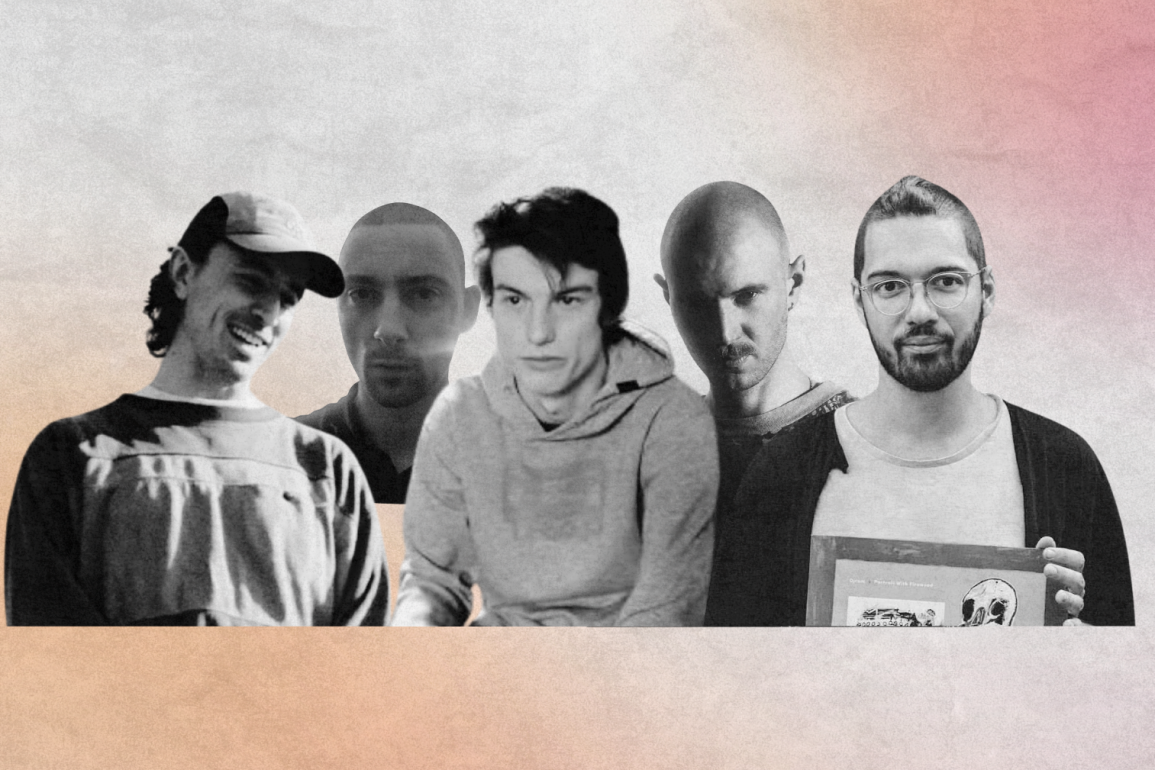
The traditional image of electronic music production, expensive studios filled with hardware, is something of the past. Today, much of the underground’s most influential music is crafted in bedrooms and shared flats using modest, DIY setups. The traditional studio is no longer a deciding factor; instead, a self-sufficient class of independent producers has emerged, operating outside conventional industry structures. We rounded up five artists who truly embody this shift.
Burial
Few artists represent the bedroom producer mythos more clearly than Burial. His early work was famously created outside of traditional studio environments using relatively modest software setups, including Sound Forge. What made his music so influential wasn’t its technical perfection but its atmosphere. The crackle of vinyl, the ghostly vocal fragments, and the warped, half-club rhythms all felt intentionally incomplete. Untrue in particular, didn’t sound like it was made in an expensive studio mixed for clarity, and that ultimately became its biggest selling point.
Ross from Friends
Ross from Friends emerged during the lo-fi house wave, a moment when producers across the internet were intentionally embracing roughness, tape saturation, and degraded textures as a reaction to overly polished dance music. Early releases were made in relatively simple home setups, often centred around software-based workflows rather than expansive hardware rigs. What made Ross from Friends stand out was how fully that aesthetic translated into a live and DJ career, bridging the gap between internet-born bedroom production and real-world dance floors.
Skee Mask
Skee Mask’s work sits somewhere between precision and chaos. While his production skills are undeniably advanced, much of his music has been shaped by a relatively compact, self-contained setup rather than large commercial studio environments. His music blends breakbeat, techno, ambient, and jungle into tightly controlled but emotionally dense compositions. It doesn’t exactly rely on expensive spectacle. Instead, it thrives on the detail of micro-edits and subtle shifts in rhythm.
Huerco S.
Huerco S. played a key role in reshaping how people think about ambient and experimental electronic music in the 2010s. His early work, much of it created in home environments, leaned into repetition, space, and texture rather than traditional club functionality. Releases like For Those of You Who Have Never (And Also Those Who Have) helped redefine what “dance music” could be. Often it was slower and more abstract than its contemporaries at the time. The music often feels like it was made far away from any commercial pressure, and that distance is part of its impact.


Djrum
Djrum represents a slightly different angle on the bedroom producer narrative. His work blends a wide range of techno, breakbeat, jazz, and classical influences, often incorporating live instrumentation alongside electronic production. While his sound is intricate, it is still rooted in a deeply personal production approach. His music demonstrates that “bedroom production” doesn’t necessarily mean minimalism. It can also mean total creative control over complex, hybrid forms of composition.