


Image by freepik
Based on original reporting by The Guardian
Eurythmics co-founder Dave Stewart is urging musicians and creators to actively engage with generative AI, calling the technology an “unstoppable force” that the industry can no longer afford to ignore. Speaking at the launch of his new venture Rare Entity, Stewart argued that artists should license their voices, compositions, and skills to AI platforms rather than inevitably allowing companies to use them without permission.
Generative AI systems learn from existing recordings and can create new tracks in response to user prompts. Major players including Universal Music Group and Warner Music Group have recently partnered with leading generative AI music platforms Udio and Suno, allowing users to create or manipulate music based on the material of artists signed to the labels.
Stewart, who scored nine UK Top 10 albums with Eurythmics, believes musicians must prepare for another wave of industry disruption, even after the upheavals brought on by piracy and streaming. He predicts a “disintegration of giant corporations controlling their artists,” with creators increasingly reclaiming ownership of their intellectual property.
His new company, Rare Entity, co-founded with entrepreneurs Dom Joseph and Rich Britton, aims to support this shift. Rather than owning artists’ underlying rights, the venture provides financial, creative, and strategic support in exchange for a share of revenue generated by funded projects. Current initiatives include Planet Fans, a platform designed to connect artists directly with audiences for ticketing, merchandise, and communication.
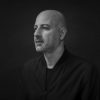

Stewart traces this philosophy back to the early days of Eurythmics, when he and Annie Lennox took out a £5,000 loan to get their project off the ground. He later gathered voices including Lou Reed, Stevie Wonder, and Dr. Dre for a 2002 discussion on how artists could regain control in the digital era.
While many musicians view AI with concern, Stewart sees it as a tool that is powerful and transformative, but ultimately dependent on human creativity. His advice to artists: protect your rights, stay in control, and keep experimenting. As he puts it, quoting Gilbert & George: “Thou shalt not know exactly what thou dost, but thou shalt do it.”