

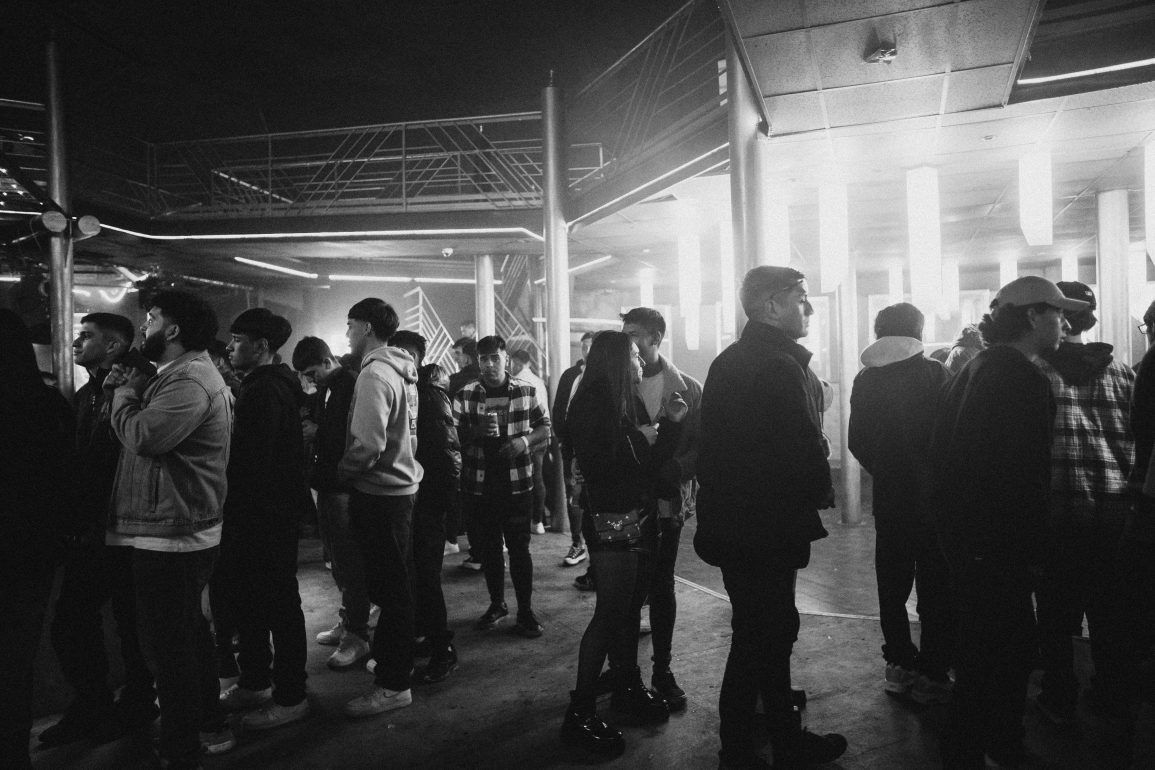
A new exhibition tracing the legacy of the UK’s lost music venues opens this weekend at the V&A South Kensington, turning attention to the clubs, DIY spaces, and live music rooms that quietly shaped the country’s cultural and sonic identity. Titled Lost Music Venues, the display brings together archival fragments of nightlife history, much of it contributed directly by the public, to map the rise, transformation, and disappearance of spaces that once sat at the centre of British music culture.
Across posters, membership cards, photography, fashion pieces, handwritten material, and touring artefacts, the exhibition builds a layered portrait of grassroots and underground scenes across several decades. Featured references span influential spaces such as The Haçienda, Plastic People, The End, Roadhouse, and The Arches, while also touching on wider cultural moments that extended beyond music alone, from early rave-era movements to HIV/AIDS awareness campaigns and visual art interventions that appeared inside club environments long before entering mainstream recognition.
Alongside this cultural archive, Lost Music Venues also confronts the structural pressures that continue to erode independent nightlife infrastructure. Rising costs, licensing frameworks, noise disputes, and the long tail of pandemic-era closures all surface as recurring themes, supported by contributions from organisations working to safeguard the sector, including Music Venue Trust, Save Our Scene, Free The Night, and No Place Left to Play. The timing of the exhibition feels pointed, arriving amid continued venue closures and industry reports highlighting the financial precarity of grassroots spaces across the UK.
For electronic music culture in particular, the exhibition carries weight beyond nostalgia. Venues like Plastic People and The End are presented not simply as historical clubs, but as formative environments where sound systems, communities, and creative movements were actively built and tested. In that sense, Lost Music Venues becomes less a retrospective and more a question directed at the present: what is lost when the physical spaces that nurture underground music begin to disappear and what, if anything, replaces them?


Visitor information for Lost Music Venues can be found via the official V&A exhibition page.