

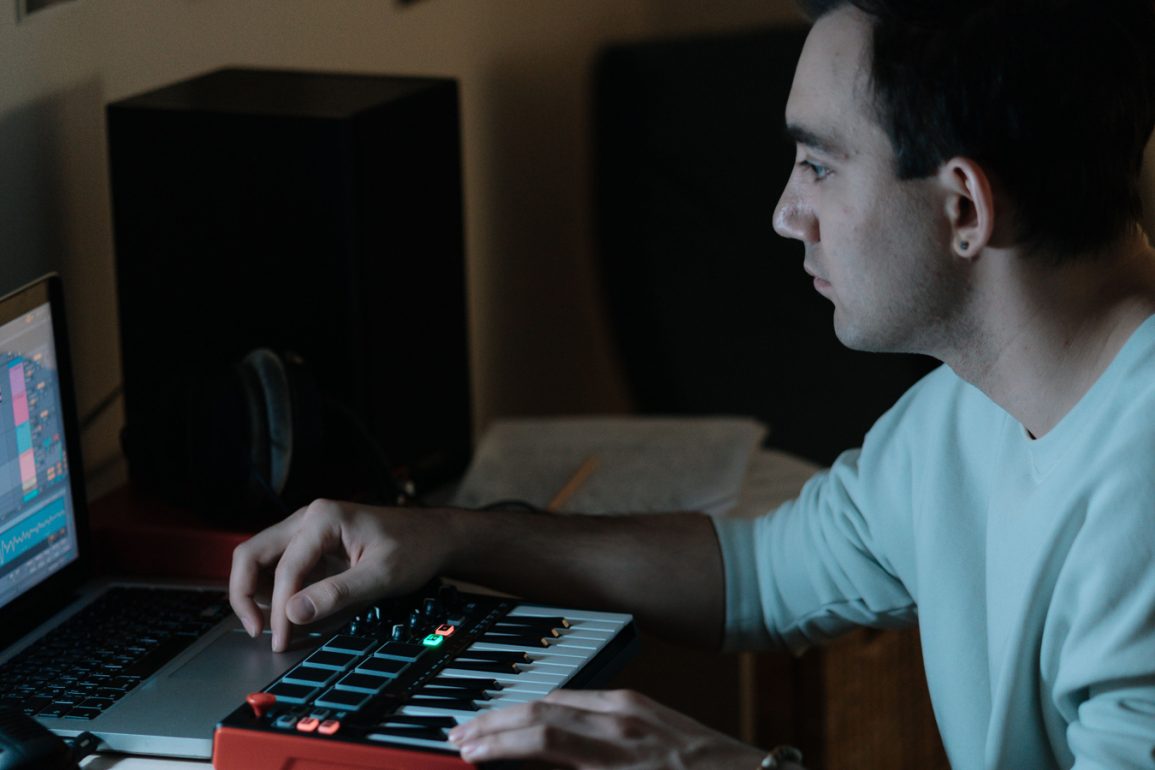
Independence in the music industry has now gone well beyond just not being signed to a label. For many years artists have worked outside the major-label system, and ongoing technological developments such as digital recording, the internet, streaming services, digital distribution and social media have gradually broken down the traditional obstacles to recording, releasing, distributing and promoting music. The shift away from physical formats has also eliminated the need for manufacturing, warehousing and retail intermediaries. However, in 2026 the real challenge is not whether an artist can upload a track, but whether they can gain real visibility, build up a loyal audience and maintain a career without relying on heavy promotional spending or benefiting from algorithms.
beaux (born Beaux South, 1999) is a British singer-songwriter and self-taught producer from London/Surrey, specialising in electronic music left Dirty Hit, and self-produced his first album I Thought We’d Live Here Forever with the help of the PPL Momentum Music Fund and turned TikTok clips, into a fully sold-out 2026 UK headline tour, with performances at the Deaf Institute and The Louisiana. The Quebec-based duo Angine de Poitrine, who have remained anonymous and have self-released Vol. II, had a single KEXP session video reach 18 million views on YouTube, which in turn led to sold-out dates across North America and record crowds at the Montreal International Jazz Festival.
The main way that those paths work is through social media and short-form video as means of discovering music. beaux documented the creation of tracks like ‘Cut My Hair‘ and ‘I’ll Be Here When You’re Back‘ in ordinary posts which built a connection with their audience prior to being included in any playlist. Angine de Poitrine gained popularity from an unfiltered live performance rather than as a result of a marketing campaign; the performance itself spread around via shares and comments, turning online viewers into people who bought tickets. A 2026 Ditto Music survey showed that 56% of independent artists considered TikTok to be their most important growth platform, outstripping Spotify. Media coverage came about as a result of these figures: live reviews in student newspapers and on specialist websites, as well as festival bookings and later wider press, came after the organic spikes and not before.
Some of the traditional gatekeepers have been replaced due to platform saturation and changes in the algorithms. Since playlist placements tend to give preference to tracks that are already gaining momentum, paid promotion can help increase a track’s reach, but it is still the artists who achieve breakthroughs who treat the social platforms as tools for direct conversation rather than simply as broadcast channels. By regularly posting footage of their creative process, live clips and personal comments, they establish the small communities that turn casual viewers into frequent streamers and ticket buyers. The digital distribution services then take care of the rest, enabling the same kind of recording made in a bedroom to reach a global audience without the need for any physical infrastructure.
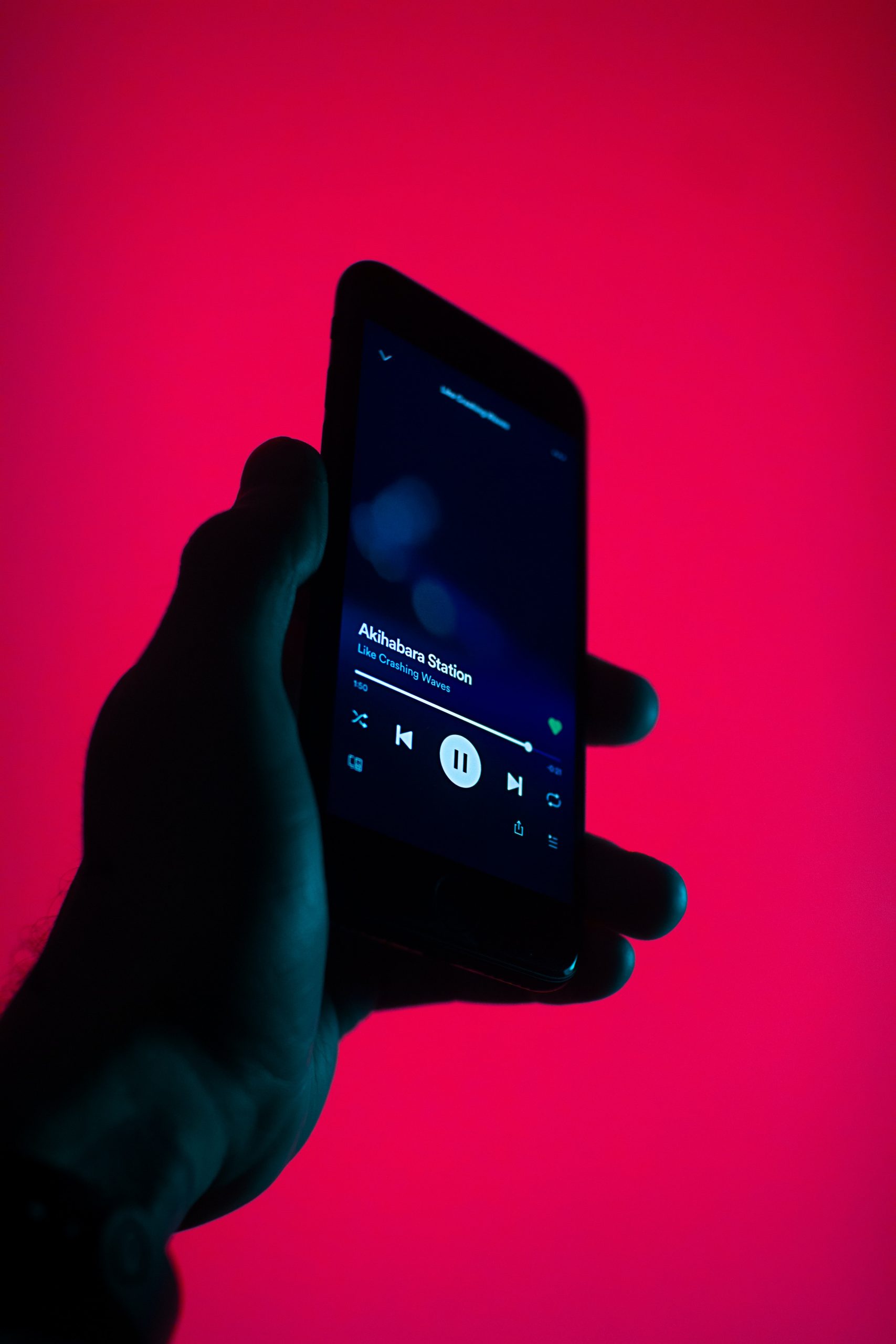

The difference between releasing music and maintaining a career is still very clear. While technology has made the first step almost effortless, the second still requires a great deal of day-to-day effort in building relationships with audiences. Nowadays, organic discovery spreads more effectively via social media feeds and live video than it does through traditional radio or via label A&R. In cases where this kind of discovery takes hold, such as with beaux’s sold-out performances and Angine de Poitrine’s large festival crowds, media coverage and additional opportunities then come as a result.
In 2026 independent artists are still capable of achieving success without the need for institutional approval. This can be seen in the sold-out tours, the clips which have attracted millions of views and the positions they have secured at music festivals all of which have been won by artists who made use of the tools on offer rather than waiting for permission from institutions. Although the barriers have altered in form, the path is still open to those who regard social media, direct interaction with their audience and a regular output as the main elements of their work rather than as optional additions.