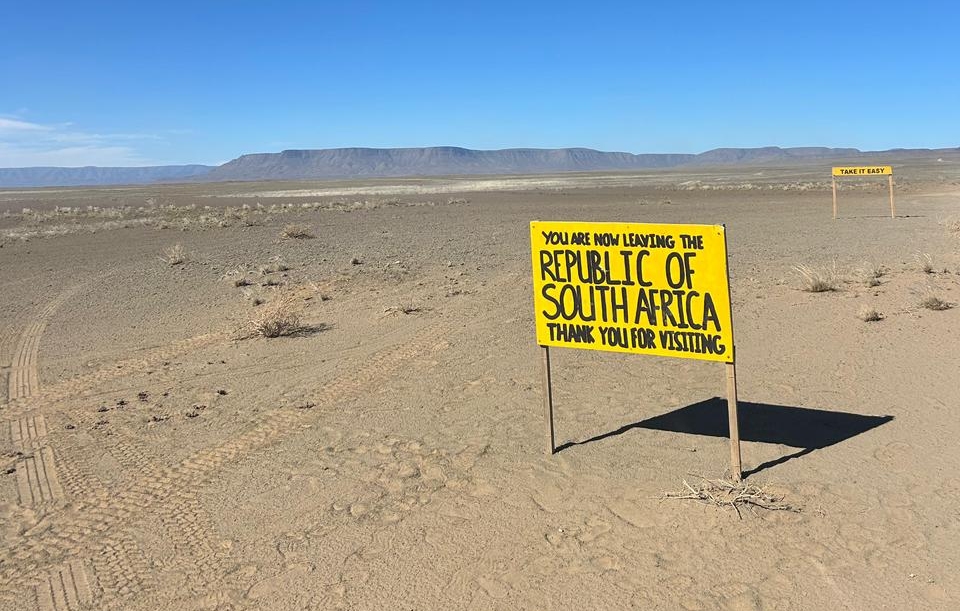

Out in the vast openness of the Tankwa Karoo, this year’s AfrikaBurn (27 April – 3 May) once again transformed the desert into a temporary city shaped entirely by its people. With around 11,000 participants making the journey into Tankwa Town, the scale was undeniable, yet it never lost its sense of intimacy. What sets it apart is its intention, which misinterpreted by most is not positioned as a traditional music festival, but rather a participatory art gathering rooted in community, creativity, and self-expression. Born from the ethos of Burning Man, AfrikaBurn has grown into its own cultural landmark since its early editions in 2007, guided by 11 core principles that place collective effort, inclusion, and shared responsibility at the centre of the experience.
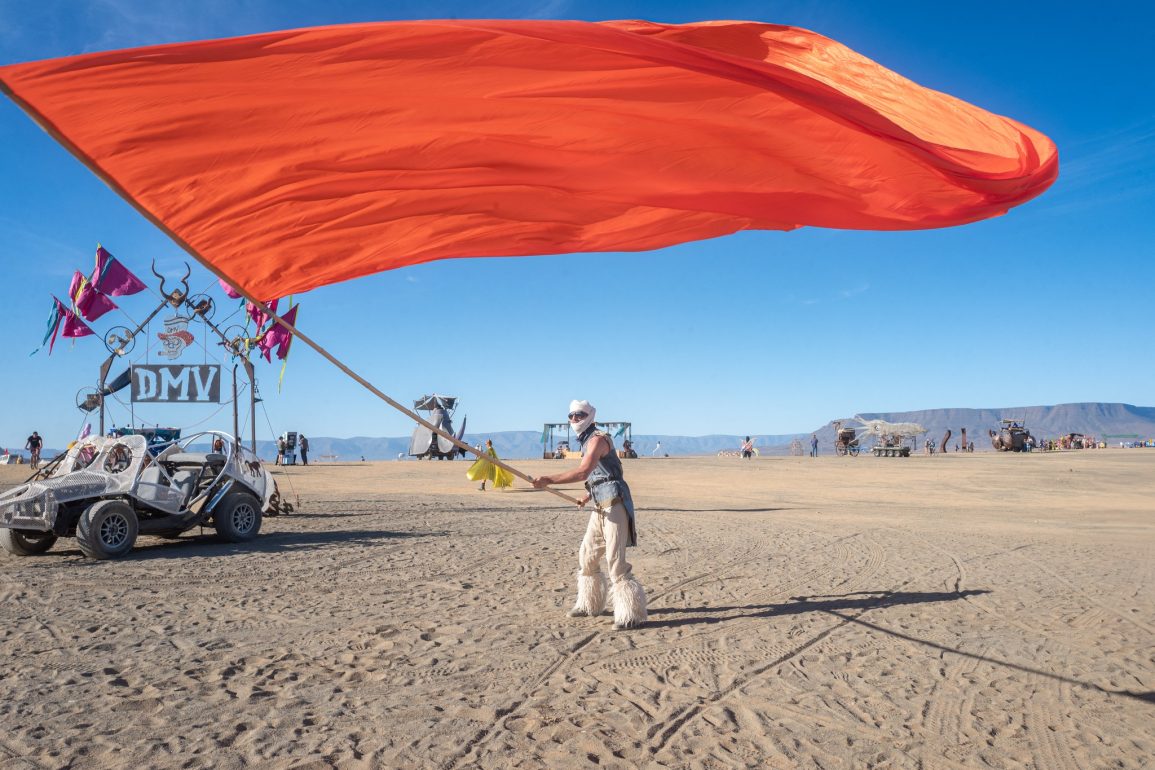
At its core, Burn operates as a “do-ocracy.” If something exists, it’s because someone chose to create it. Participants arrive not as consumers, but as contributors, whether that’s through art, music, performance, or simply showing up with intention. With no trading, branding, or commercial exchange allowed, the culture of gifting takes over. From a cup of tea at a themed gathering to a fully immersive camp experience. It is a space where radical self-expression thrives: bold costumes, surreal installations, and spontaneous performances blur the lines between artist and audience, encouraging everyone to step outside of their everyday identity, even if just for a few days.
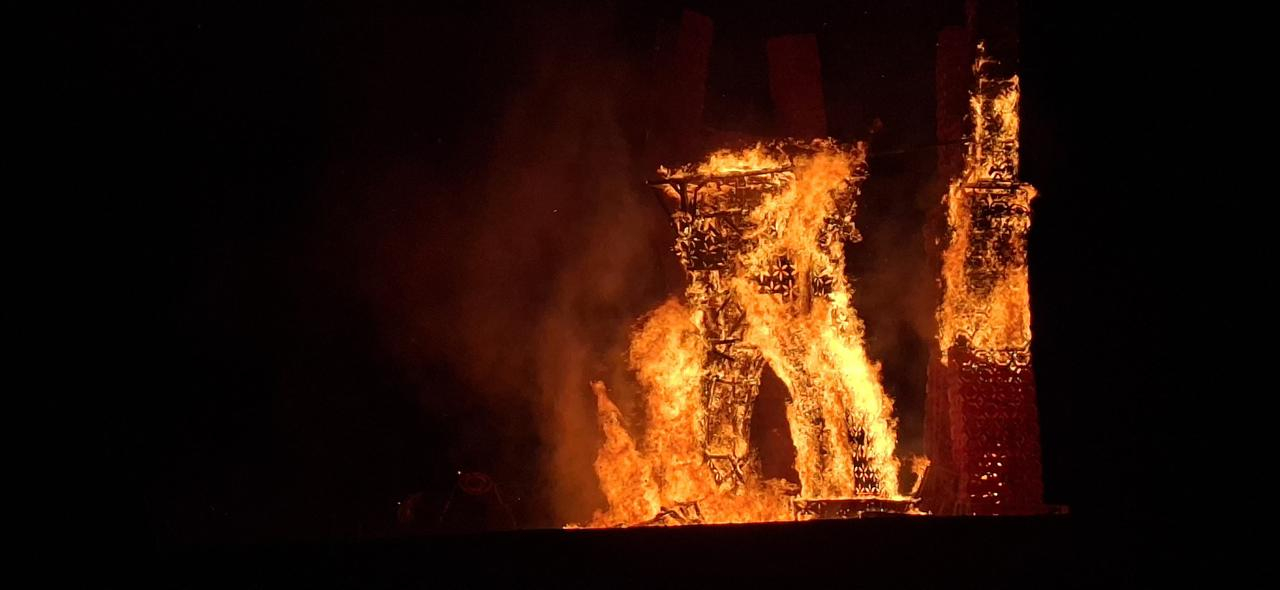
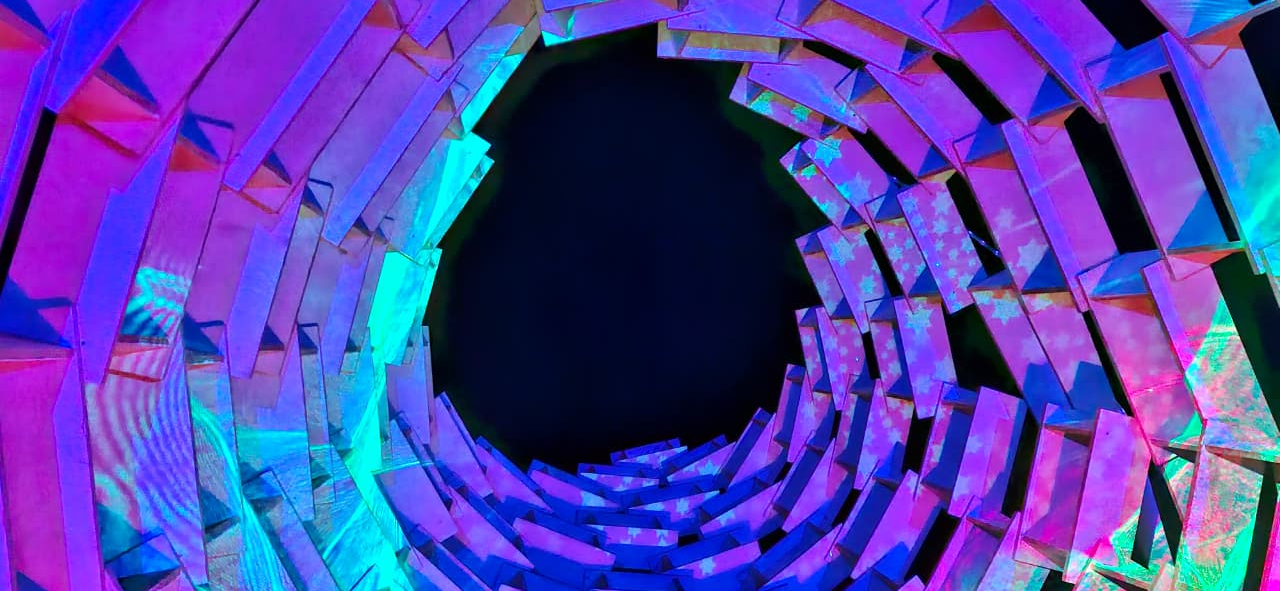
The landscape itself becomes a gallery. Towering sculptures and intricate installations, built by volunteers and theme camps, carry layered meanings and emotional weight. Among this year’s standouts was Clan Ubuntu, a striking red structure symbolising unity and human connection. Figures turned inward, appearing to support one another in a quiet, powerful embrace. Works like Postboxes of Desire added a more intimate dimension, inviting participants to leave pieces of themselves behind. Each artwork exists temporarily, often ending in ceremonial burns, reinforcing the principle of impermanence and the idea of being fully present in the moment.
The sense of presence at Burn often reveals itself in the smallest, most unexpected moments. One attendee, Jesse Mason, recalled stumbling across a sunrise-adjacent set in the middle of the desert, where fewer than a dozen people had gathered around local DJ Josh Raynham. What began as an improvised performance unfolded into something quietly powerful. Mason described the set as “ambient and light, but the perfect vibe for the space,” with everyone dancing in their own way as the music gently drew to a close. As the final track played out, a group of friends climbed onto the mutant vehicle to embrace Raynham, while the rest of the crowd stood in stillness, smiling. “It was so magical and so precious,” Mason shared, adding that the moment felt even more special because Raynham “wasn’t even supposed to play… he completely improvised it.”
While music is not the defining label of AfrikaBurn, it undeniably pulses through its veins. Across the week, sound camps and mobile stages offered everything from deep desert house and melodic sunrise sets to heavier jungle and trance-infused journeys. Artists like Temple Tears, Omri, and Elan Schnider brought a mix of local and international energy, soundtracking moments that ranged from introspective sunsets to euphoric late-night gatherings. Elsewhere, burlesque performances, tea ceremonies, and themed spaces like the DMT tent added layers of contrast. Where a house set might dissolve into a shared singalong or an unexpected remix, blurring genres and expectations entirely.
Daniella Maritz shared how Temple Tears has become a familiar and respected presence at Burn for those drawn to the deeper, more exploratory edges of electronic music. Known for making full use of the festival’s high-quality sound systems, Gregory stands out as an artist who treats each performance as both craft and exploration. One set in particular, his late-night “8Doc” session, left a strong impression, opening with what Maritz described as “layered, bouncy deep techno” before gradually evolving into psych tech driven by a “groovy, hypnotic bassline.” According to Maritz, the progression felt seamless, with textured sound design holding everything together as the journey moved fluidly into psytrance for its final stretch, “like a world-class chef garnishing his best meal to date.” Following his second set, Gregory explained that rather than following trends, he views each performance as an opportunity “to educate and introduce listeners to something unfamiliar,” ultimately aiming to expand listeners’ sonic horisons.


Life in Tankwa Town is deliberately stripped back. There’s no electricity grid, no shops, and no safety net beyond what you bring and what the community provides. Attendees arrive prepared for self-reliance: water, food, and shelter. They often stay beyond the official dates to build and later dismantle camps in line with the “leave no trace” ethos. Ticket tiers typically vary depending on release phases and vehicle access, with theme camp contributions ranging based on scale and offering. Yet despite the logistical demands, the reward is something far less tangible: a shared, fleeting world where connection, creativity, and presence take priority. Whether experienced solo or among friends and family, AfrikaBurn continues to offer something rare: a reminder of what can happen when people come together not to consume, but to create.
For more photography and visuals of the artworks, installations, and performances, one can explore AfrikaBurn’s official social media channels for a deeper look into the experience.