

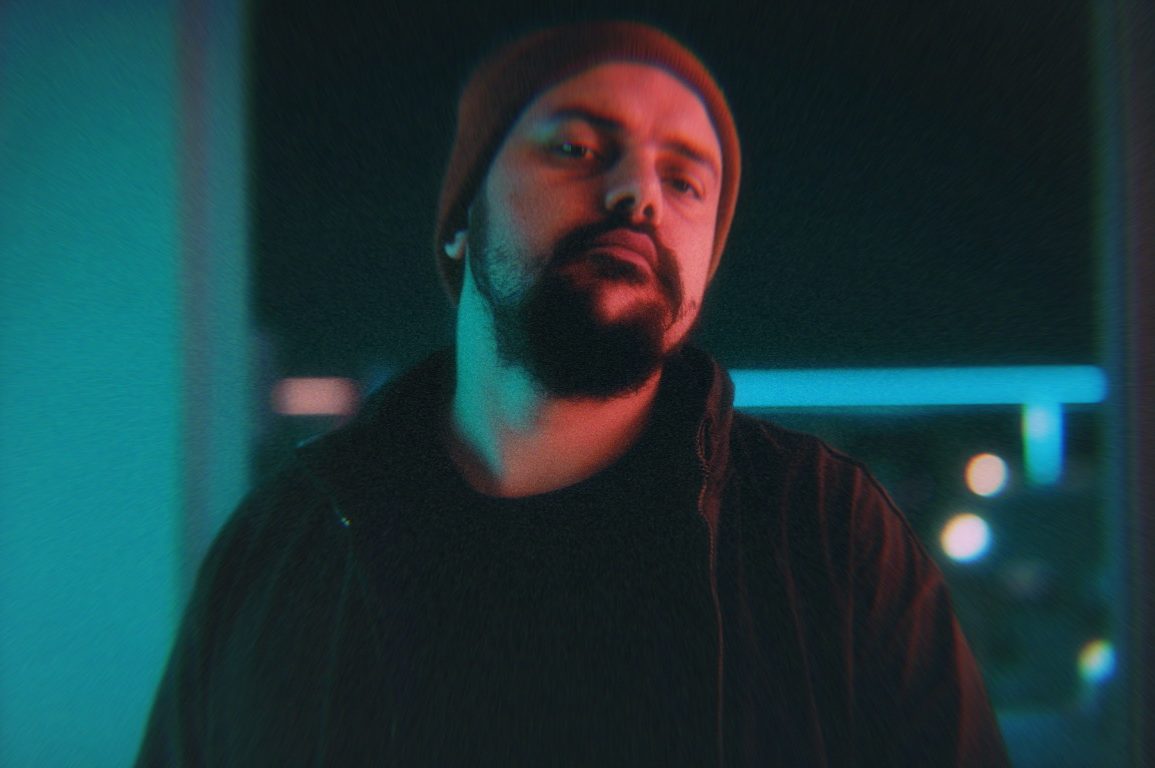
With more than 15 years of experience, Italian DJ and producer Nihil Young, the artist alias of Mattia Marotta, has built a career around emotional melodic techno, progressive house and indie dance. His music has accumulated more than 30 million Spotify streams as an artist, while his work as a writer and producer has surpassed 100 million streams. His catalogue spans labels including Toolroom, Purified, Odd One Out, Saved, Kittball, Zerothree, Vandit, Armada, Spinnin’, Enhanced, Sony and Universal.
From his acclaimed ‘Alchemy’ EP on Yotto’s Odd One Out and ‘Lonely Night’ EP on Purified, to Toolroom favourites such as ‘Luna’, ‘Upper Love’ and ‘Motions’, Nihil Young has developed a sound that prioritises emotion and atmosphere. His collaborations include ‘How It Feels’ with Franky Wah, while his earlier work as Less Hate saw him remix artists including Dennis Ferrer, Roland Clark, Kevin Saunderson, Inner City and Étienne de Crécy.
Beyond his work as an artist, Nihil is the founder and A&R of Frequenza, an electronic music label established in 2009, and hosts the monthly Dark To Light show on Frisky Deep.
Now, 2026 marks a particularly personal chapter with the release of his debut album, ‘Compass’, on Zerothree. Released on 14 August, the 15-track album draws from some of the most significant moments of his life – from meeting his wife and the birth of his daughter to the loss of his father. The album features collaborations with Rowland Giles, Leo Wood, Lasada, Jordan Arts, FRDRK, Adriana Stone, TYGR TYGR and more.
We caught up with Nihil Young to discuss his creative process, the personal stories behind ‘Compass’, his relationship with unfinished ideas, the role of AI in music, and why authenticity remains at the centre of his artistic identity.
How would you describe your musical style and the genres or subcultures that most influence your sound?
Emotional melodic techno and progressive house, with some indie dance in the edges. I came from hip hop and turntablism, then electronic through people who took risks. I follow what hits me emotionally, even when it’s too melancholic or too rough for the algorithm.
Describe the primary setting or environment where your music is conceived. Is it a chaotic, overstimulating studio, a minimalist digital space, a rehearsal room, or a more isolated location?
Mostly a focused studio, not chaotic. I need space to sit with unfinished ideas. A lot of ‘Compass’ started from private moments, then got built properly later. Isolation helps more than a room full of toys.
When you create, what leads the way – a feeling, a story, or the sound itself?
A feeling first, then a story. Sound is how I translate it. On ‘Compass’, the story was already there: meeting my wife, the birth of my daughter, losing my father. I stayed with the rough versions until they felt true.
What’s in your toolkit? Share the gear, gadgets, or software you can’t create without.
Ableton, a few synths I actually play, and whatever helps the idea survive. I’m not precious about a huge rack. If a plugin or a piece of hardware doesn’t serve the emotion, it doesn’t stay.
Are there any unexpected or dream collaborations hidden in your work?
On ‘Compass’, I worked with Rowland Giles, Leo Wood, Lasada, Jordan Arts, FRDRK, Adriana Stone, TYGR TYGR and others. Dream-wise, I still care more about the right voice or the right tension than a big name for the sake of it.
Are there any side projects you’re working on?
Frequenza, my label, and the monthly Dark To Light show on Frisky Deep. There’s also mixing/mastering work. The alias Less Hate is older, but that chapter taught me a lot.
Who’s an emerging artist you think deserves more recognition right now?
I’d rather name people I actually work with or hear in the same lane. Some of the voices on ‘Compass’ already feel bigger than their current reach. That’s also the point of Frequenza. The label exists to give a platform to deserving, up-and-coming artists who I think should have space to express themselves.
What role does ‘rebellion’ or ‘counterculture’ play in your music? Are you aiming to challenge commercial norms, sonic structures, or societal expectations?
I’m not interested in being shaped by recommendation pages. I skipped trend waves that didn’t feel like mine. The rebellion is staying with unfinished, personal work when everything around you sounds finished in five minutes or in a one-prompt/click.
Who is one non-musical artist whose work feels sonically synonymous with your sound?
Hayao Miyazaki, for the respect of life in the work. Jung, as a way of thinking about becoming yourself instead of copying a surface. And Beksiński, because he was mad in the right way: dark, uncompromising, full of atmosphere. That tension feels closer to how I hear things than a clean, pretty picture.
What aspects of your artistry feel most important to you, such as your sound, visuals, storytelling, or live performance style?
Storytelling and sound. Visuals matter, live matters, but if the track has no purpose once you strip the polish, it’s empty.


What is the most exciting and the most concerning technological development impacting the music industry right now?
Digital distribution still lets a personal album reach people without asking permission. AI is the scary part only if we start believing the imitation is enough. Most generated tracks still sound goofy and full of artifacts. They have no stakes. The danger is losing patience with unfinished work.
How would you describe the live music environments you feel most connected to? Are you drawn more to massive festival stages, underground warehouse parties and DIY venues, or a mix of both?
Both, but the intimate room still wins. Nothing replaces that feeling. Festivals are a different machine. I want tension and connection, not just scale.
Famous last words?
Your story and your soul still can’t be generated. Everything else is surface.
Listen to Nihil Young on PLAYY. Music
Listen to the exclusive mix by Nihil Young on SoundCloud
Follow Nihil Young:
BeatPort – Spotify – Instagram – Apple Music – Facebook – X