

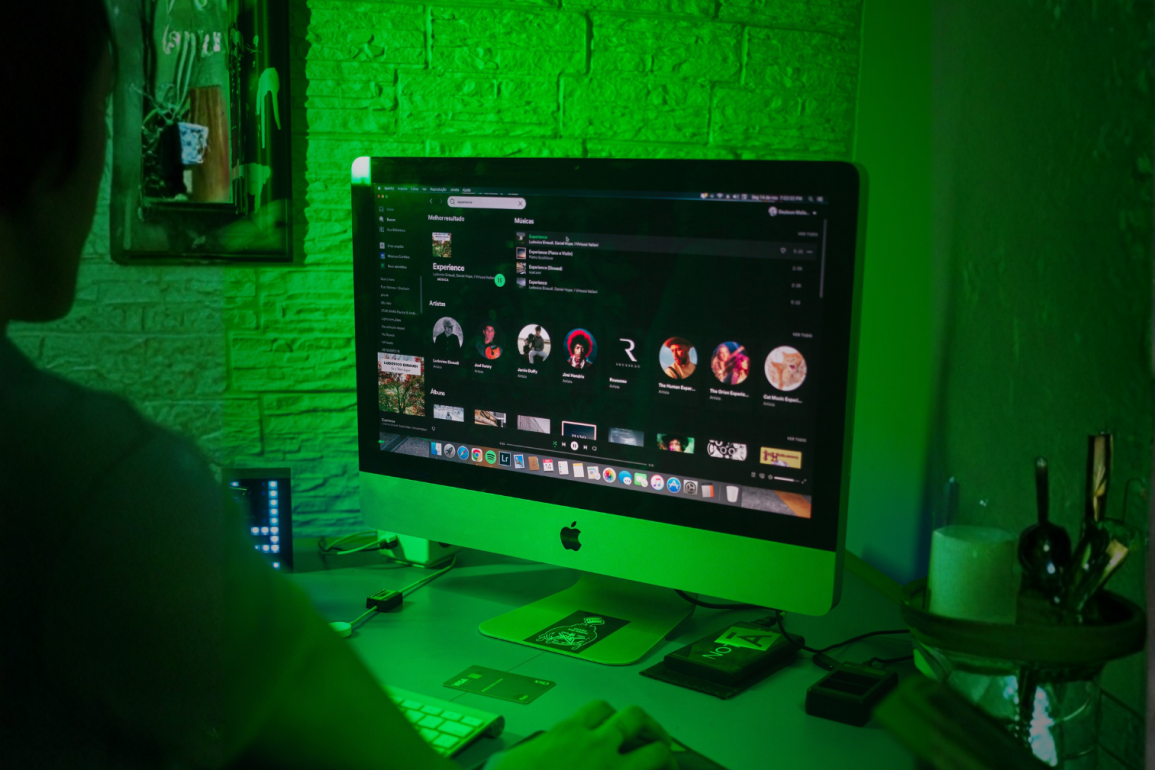
Photo Credit: Deybson Mallony
For most independent artists, getting music onto Spotify has never been easier. Unfortunately, neither has attaching music to the wrong artist. A little-known flaw in the digital distribution process means that, in many cases, anyone distributing a song can assign it to an existing Spotify artist profile. Whether intentional or accidental, the result is the same: music appears on an artist’s page without their permission. For emerging artists, it can be confusing. For established artists, it can be damaging.
How Does It Happen?
When a distributor delivers a release to Spotify, they don’t simply upload the audio and artwork. They also provide metadata, including the Spotify Artist ID that determines which artist profile the release will appear on. If the wrong Artist ID is selected—or deliberately chosen—the release can end up on another artist’s page. Sometimes this is an honest mistake caused by artists sharing similar names. But increasingly, artists report cases where releases appear to have been intentionally mapped to well-known profiles to gain visibility or exploit existing audiences.
Why It Matters
Spotify artist profiles are more than just pages—they’re brands.
An incorrect release can:
- Confuse fans.
- Damage an artist’s reputation.
- Disrupt Release Radar and recommendation algorithms.
- Pollute an artist’s catalogue.
- Create unnecessary work removing content that should never have appeared there.
For independent artists who spend years building credibility, seeing an unrelated track suddenly appear on their official profile is both frustrating and potentially harmful.
The Distribution Bottleneck
Spotify generally relies on distributors to submit accurate metadata. When an incorrect mapping is reported, artists are often directed back to the distributor responsible for the upload. In theory, this should be a straightforward process. In practice, many artists report long delays, repeated support tickets and distributors who either misunderstand the issue or lack the ability to resolve it quickly. Even when using Spotify’s support channels, artists frequently receive the same response: “Please contact the distributor.” This leaves innocent artists caught between two companies, each pointing to the other.
A System Open to Abuse?
The larger concern is whether the current system provides enough safeguards against intentional misuse. If distributors allow users to manually select an existing Spotify Artist ID without sufficient verification, bad actors can potentially associate their music with artists they have no connection to. While most distributors investigate reports once they’re received, the question remains: Why is incorrect artist mapping possible in the first place? A system that verifies ownership before allowing releases to be attached to an established artist profile could significantly reduce these incidents.
What Artists Should Do
If you discover music on your Spotify profile that doesn’t belong to you:
- Contact your distributor immediately.
- Open a support request through Spotify for Artists.
- Gather evidence, including release URLs, ISRCs, UPCs and screenshots.
- Document all correspondence.
- If the issue involves copyright infringement or deliberate impersonation, request that both Spotify and the distributor investigate the account responsible.
The sooner incorrect metadata is reported, the easier it is to correct before the release gains traction.
The Industry Needs Better Protection
Digital distribution has transformed the music business by making global releases accessible to everyone. But accessibility should not come at the expense of accuracy or artist protection. As streaming platforms continue to grow, artist identity is becoming one of the industry’s most valuable assets. Protecting that identity requires stronger verification, faster correction procedures and clearer accountability between streaming services and distributors. No artist should wake up to find someone else’s music on their profile. Until stronger safeguards are introduced, artists will continue to spend time policing their own catalogues instead of focusing on what matters most: creating music.


Have you experienced incorrect artist mapping or profile impersonation on Spotify? We’d like to hear your story. Contact the editorial team at PLAYY. Magazine and help us shine a light on an issue affecting independent artists around the world.