

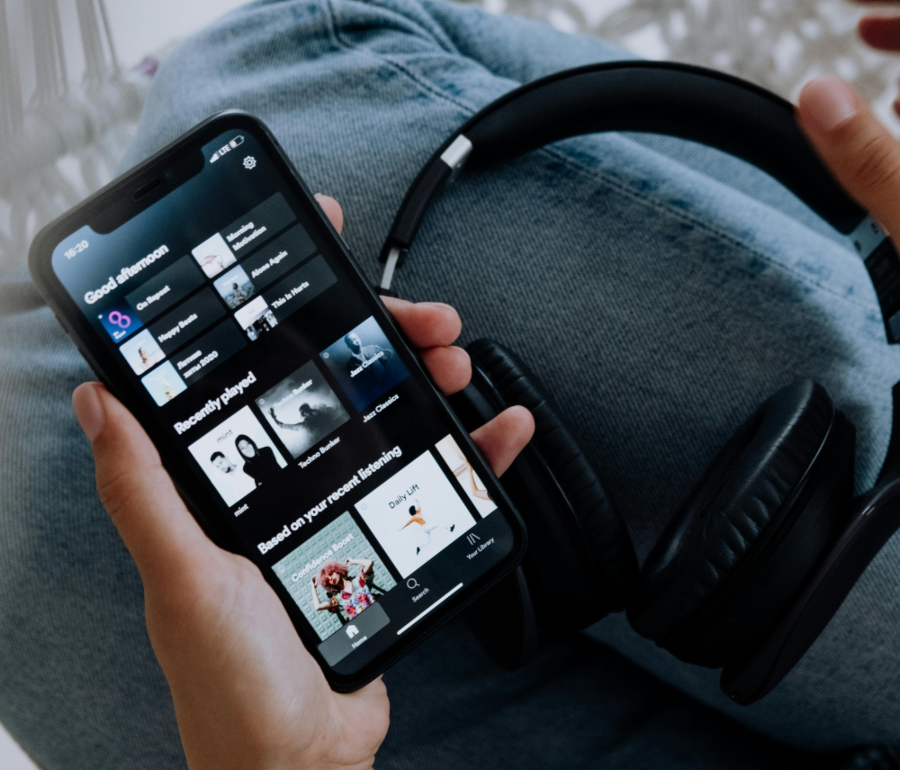
Image by cottonbro studio
Independent musicians are increasingly turning away from traditional streaming models in favour of platforms that offer monetisation, direct fan relationships, and creative autonomy. For many, the appeal of algorithm-driven exposure and mass streaming numbers has worn thin. What we have strayed from – and what has always mattered for artists – is becoming clearer as we sink deeper into the fog of capitalism in the digital era: ownership of their music, income, and connection with their audience.
Why the Shift Is Happening
The problems with legacy streaming platforms are no secret. Spotify’s pro-rata royalty system channels the majority of its revenue toward the top 1% of artists, leaving smaller acts struggling to make even a fraction of minimum wage. Despite having over 225,000 professional artists on its platform, only around 0.6% of them earn over $1 million a year, according to MarketWatch, while just 4% make enough – around $131,000 annually – to sustain a full-time music career. On average, Spotify’s estimated per-stream payout is $0.003–$0.005. The Guardian has described the payout system as “brutally unequal,” with algorithms and major label deals amplifying a small fraction of top-tier acts at the expense of the rest.
In the wake of growing frustration with Spotify’s opaque payout model and controversies around CEO Daniel Ek’s AI military tech investments, artists like King Gizzard & the Lizard Wizard have announced that they are pulling their music from the platform while calling for listeners to boycott it entirely. As Deerhoof’s Greg Saunier said in a July interview, “We just for our own mental health did not want our music, and particularly our music success, to be funding AI battle tech.”
At the same time, the rise of AI-generated music, often unlabelled or indistinguishable from human work, has created new tensions. Many artists now fear being displaced or buried by algorithmic noise, while platforms fail to implement meaningful protections.
There seems to be a palpable shift underway that illuminates a growing collective realisation: ethical streaming might be a moving target in an industry where the stakes involve billions of dollars from multilateral investors and shareholders with ties to (at best) ethically questionable businesses – but it is certainly not a lost cause. Ethics, sustainability, and creative control are worth fighting for – even in the smallest ways possible.
The result is – or should be – a growing migration toward platforms that value transparency, community, and artist empowerment over shareholder profit.
The Platforms Prioritising Artists
Below is a look at five platforms redefining what sustainable music careers can look like — each offering distinct tools for autonomy, monetisation, and audience connection.
| Platform | Revenue Transparency | Monetisation Tools | Community & Features | Limitations |
| Bandcamp | High – 80–85% of each sale goes directly to the artist | Direct sales of music, merch, vinyl | Bandcamp Fridays, editorial features, fan messages | Discovery can be limited for newer or smaller acts |
| SoundCloud | Moderate – fan-powered royalties and monetisation tools for creators | Fan subscriptions, ad revenue, reposting | Large indie community, interactive comments, social sharing | Highly competitive, mixed-quality content |
| PLAYY. Music | High – 80–85% of revenue goes to artists; 5% held for fees | Combines streaming, artist subscriptions, and NFT-like ownership tokens | Artist-first model, transparent payouts | Smaller user base but rapidly growing early community |
| Patreon | Very high – creators set pricing and keep the majority after fees | Tiered subscriptions, exclusive content | Direct fan engagement, no algorithms | Requires consistent content output to retain subscribers |
| Deezer | Moderate–High – shifting toward artist-centric payments | Standard streaming payouts, with ethical distribution focus | Editorial playlists, local artist promotion, public opposition to AI-generated music | Smaller global reach than Spotify or Apple Music |
A Closer Look at the Available Models
Bandcamp has long been the gold standard for artist-first economics. With between 80–85% of every sale going directly to musicians, plus initiatives like Bandcamp Fridays, the platform’s ethos is clear: cut out the middleman. While discovery remains a challenge, for many independent acts, Bandcamp provides one of the few sustainable digital storefronts.
SoundCloud, once synonymous with bedroom producers and DIY artists, has evolved into a legitimate monetisation hub. Its fan-powered royalties system pays artists based on actual listener engagement rather than total platform streams; a more democratic model that rewards community and loyalty.
The newly-launched PLAYY. Music takes the artist-first approach even further. Designed from the ground up for ethical and transparent music consumption, it offers clear royalty structures: 80-85% of revenue generated on the platform is given to the artists, 10-15% goes to the platform, and 5% is held for transaction fees.
Artists can sell and stream their music, license tracks, run ticketing, find paid gigs, raise project funds, and engage with fans through real-time analytics – all within a single, fair-payout ecosystem. The platform combines streaming with direct support mechanisms, letting fans use tokens to buy songs, albums, or samples from their favourite artists. Importantly, PLAYY. Music also offers a firm commitment to supporting only human-created music, rejecting the push toward AI-generated content.
On Patreon, musicians bypass streaming entirely. Instead, fans pay directly through subscription tiers that can include behind-the-scenes content, early releases, or live Q&As. While success on Patreon requires consistent engagement, it offers a great deal of creative freedom and financial independence.

Finally, Deezer, often overlooked compared to Spotify or Apple Music, has recently taken a strong stance against AI-generated content. The French streaming service announced plans to detect and remove “fake” or AI-cloned tracks, ensuring royalties go to real artists. It’s also testing an artist-centric payment system, rewarding genuine engagement rather than volume of streams, and reinforcing its ethical positioning within the industry.
The Bigger Picture
For many artists, this new landscape represents a reclamation of power. They are no longer content to play by the rules of a system that undervalues creativity while enriching shareholders. Instead, they’re seeking platforms that promote fairness, transparency, and genuine connection.
As the industry continues to evolve, listeners play an essential role in that shift. Supporting independent artists through Bandcamp, PLAYY. Music, or Patreon, or even choosing streaming services like Deezer that actively defend human artistry, ensures that more of your money reaches the musicians behind the music.
Convenience has its cost, and too often that cost is community – a fundamental feature of what makes music such a powerful art form. The future of music does not have to echo the cold logic of algorithms or AI. It is possible to exist in a world sustained by listeners who choose to engage, support, and listen differently. The power to shape that future is, quite literally, in our hands.