

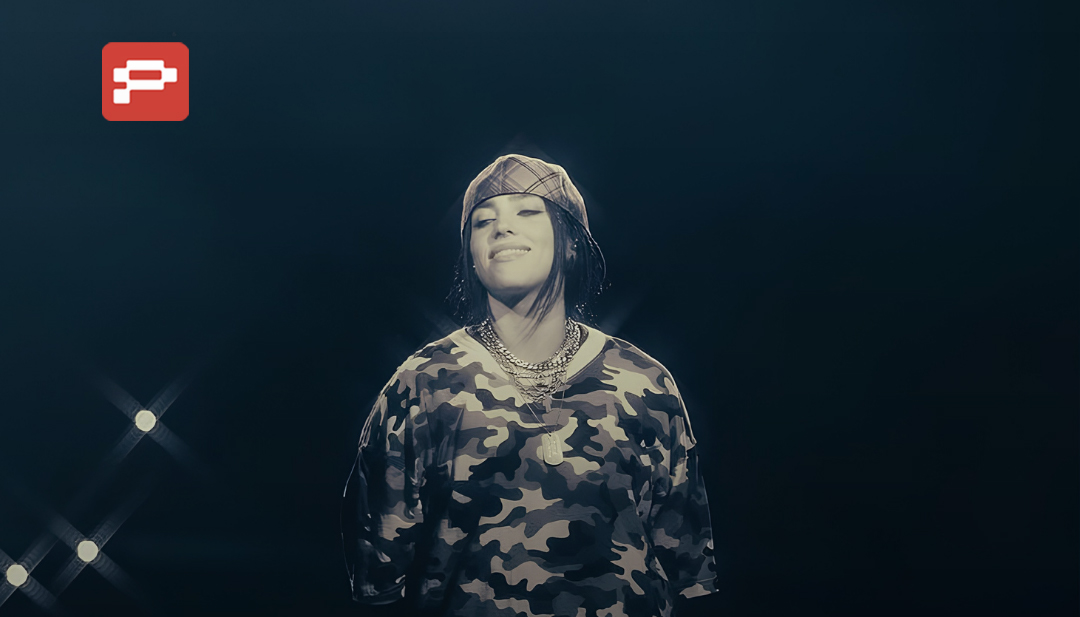
Over 200 prominent music industry figures signed an open letter protesting the “predatory” application of artificial intelligence, including Billie Eilish, Nicki Minaj, Stevie Wonder, Pearl Jam, Katy Perry, and the estates of Bob Marley and Frank Sinatra. This industry pushback targets AI systems that use copyrighted works without consent. Musicians are not demanding the abolition of AI; rather, they insist that tech companies stop exploiting their voices, music, and likenesses to create competing products.
The letter recognises AI’s creative potential but opposes innovation that exploits creators. Artists cautioned that AI firms use works without consent to train models that generate competing content, endangering livelihoods and reducing royalty payments. For global stars, the issue is about protecting decades of work and valuable intellectual property. For independent artists, however, it could become an existential problem.
The invisible artists behind the data
AI music models require vast amounts of audio data, analysing millions of recordings to learn how to generate melodies and production styles. While mainstream attention often focuses on major stars like Billie Eilish, AI datasets also ingest tracks from independent artists on platforms like Bandcamp or SoundCloud. Unlike famous artists supported by legal teams, DIY producers typically lack the visibility or resources to know if their work was used or to challenge its inclusion. For these musicians, a catalogue often serves as a primary source of long-term income through streaming and licensing. If AI can instantly replicate their unique styles, this already fragile livelihood faces an existential threat.
More competition, but without more musicians
Independent artists face an oversaturated market where AI-generated music could further diminish licensing opportunities. By rapidly producing royalty-free background and production music, AI directly competes with human producers in key income-generating sectors. Even if AI models use licensed datasets, the technology poses a significant economic threat by potentially replacing the work of musicians traditionally hired for these tasks.
Style isn’t protected
Copyright protects specific recordings and compositions but excludes creative styles, leaving independent musicians vulnerable. AI can compete by generating music that mimics an artist’s unique aesthetic without direct copying. This allows systems to replicate distinctive sonic identities in seconds, essentially using years of specialised production work as free research material. While these cases remain legally unresolved, the ethical implications for niche and underground creators are increasingly significant.


A debate bigger than copyright
The open letter highlights financial anxieties, noting that musicians historically lag in profiting from technological shifts like Napster and streaming. Critics fear AI will disproportionately impact “middle-class” musicians—producers, session players, and independent artists—rather than superstars. Ultimately, the concern is ensuring innovation does not exploit the very people who create culture.
So where does music go from here?
Few artists advocate for abolishing AI; many already use it for mastering, restoration, and songwriting. As shown by the final Beatles recording, the technology itself is not the issue. Instead, the debate focuses on consent, transparency, and compensation, raising questions about opt-in training and royalty payments. While superstars like Billie Eilish remain secure, independent bedroom producers face higher stakes. As generative AI becomes a permanent fixture, the industry must decide the true value of human creativity.