

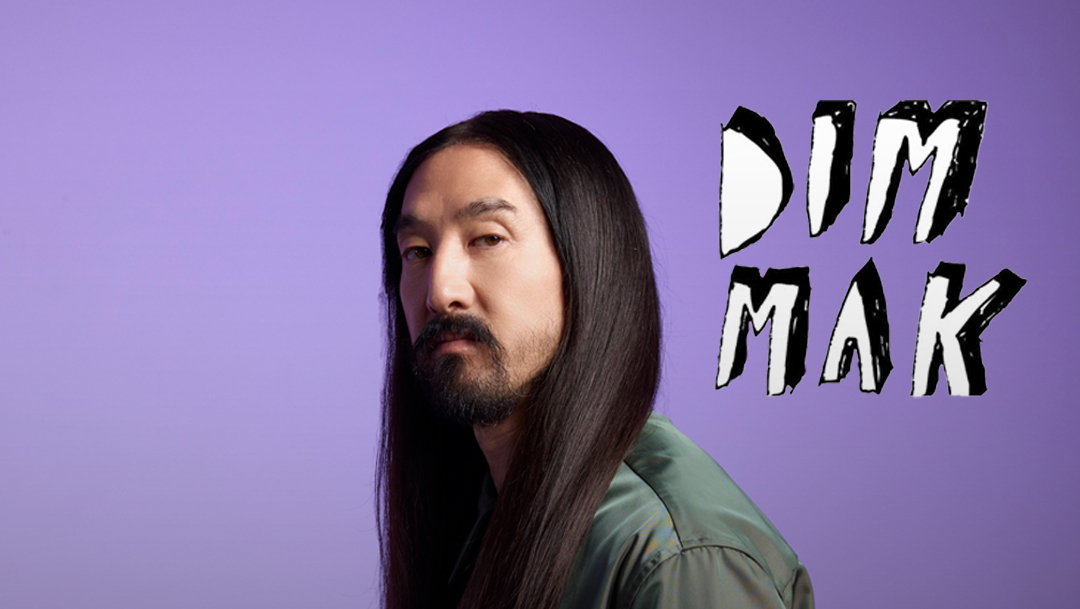
Few independent labels can trace their history from hand-folding 600 punk records in a college apartment to becoming a globally recognised force in electronic music and live culture. Founded by Steve Aoki in 1996, Dim Mak has spent three decades evolving without losing the DIY spirit at its core.
The story began when Aoki was just 19, operating out of his University of California, Santa Barbara apartment, known as the “Pickle Patch.” Alongside two friends, he pooled together $300 to fund Dim Mak’s first release: a 7-inch vinyl record for harcore punk band Stickfigurecarousel. The team pressed 600 copies and hand-folded the covers themselves.
From those beginnings, Dim Mak developed a strong connection to punk, hardcore and indie rock, working with artists including The Kills and Bloc Party before eventually moving to Los Angeles. The label also became known for its weekly club nights as its focus shifted increasingly towards electronic music.
Today, Dim Mak operates as an independent record label, events company and lifestyle brand, continuing its mission of promoting boundary-pushing music and culture. Its identity has always been rooted in creative independence, with its name itself inspired by Bruce Lee’s legendary martial arts “death touch” technique.
As Dim Mak celebrates its 30th anniversary, the label is looking both backwards and forwards: revisiting the sounds that shaped its history, rebuilding around its core values and placing renewed emphasis on artists, community and live experiences.
We caught up with Dim Mak to discuss its origins, evolution, the changing music industry, AI, its approach to supporting artists and what the next chapter holds.
Please introduce your label and share the story behind how it started.
Steve Aoki started Dim Mak in 1996 when he was 19 years old, operating out of his college apartment, known as the “Pickle Patch,” at the University of California, Santa Barbara.
Aoki and two friends pooled $300 together to fund their very first release; a 7-inch vinyl record for a hardcore punk band called Stickfigurecarousel. They pressed 600 copies and hand-folded the covers.
Long before it became an electronic dance music powerhouse, Dim Mak focused heavily on punk, hardcare and indie rock bands like The Kills and Bloc Party.
Eventually, Aoki moved Dim Mak to Los Angeles, where the label became well known for throwing weekly club nights while pivoting the label’s focus towards electronic music.
What inspired the name and identity of the label?
Bruce Lee was a great inspiration to Aoki. The label was named “Dim Mak” after Bruce Lee’s mythical martial arts “death touch” technique.
How would you describe the label’s sound? Which genres and subgenres does the label primarily focus on or represent?
Dim Mak has evolved through niches and sounds more than any other independent label, a reflection of Aoki’s wide-reaching interests.
Since the late 2000s, Dim Mak has focused more on electronic dance music, with club-focused music at the centre of the brand. From electro house and big room during the Turbulence era to the bass house and techno focus that encompassed the label’s more recent releases, Dim Mak revisited a number of styles and sound in 2026 as the label celebrated its 30-year anniversary.
What do you look for when signing or working with artists?
In alignment with the ethos of DM30, Dim Mak looks to tap into the inspiration of what launched the label: a belief in artists and creatives who bring unique styles and elements to their electronic productions.
Especially with the lowering of the barrier to entry for those able to take advantage of modern tools to create noise, Dim Mak looks for unique creative approaches in a sea of oversaturation and stagnant ideas.
Can you mention some of the artists currently on your roster?
This year we have had releases from a myriad of artists, from long-time label family such as Deorro, Quintino, Marnik and Bok Nero to a robust freshman class including Jessica Audiffred, Beachcrimes, DJs From Mars, HIGHSOCIETY, LVMBERJACK and SEUNG – as well as Steve Aoki, of course.
How has the music industry, particularly with the rise of AI, changed since the label first launched?
AI has enabled so many opportunities for creative people to translate their ideas into coherent productions that are algorithmically designed to be appealing to the listener on a conscious and subconscious level.
While this topic is divisive in and of itself, we think that the introduction of AI has actually created an increased value in the humanity of art and what makes art human.
Yes, viral songs created fully from AI do exist, but as is the nature of everything novel, those songs, artists and creatives can hold attention for only a brief moment before the reason why fans search out art and artists starts to shine through. Eventually, these AI artists and creatives crumble without the foundation that is only built through true human creation.
What challenges have you faced as an independent label, and how have you overcome them?
One of the biggest challenges is continuing to deliver meaningful support for artists as an independent label with limited budgets.
The way artists build careers and brands connect with audiences keeps changing, and the shift from physical spaces to an increasingly remote, digital industry has changed how we build community.


Artists now have the tools to create, release and promote music themselves, so we have to keep asking: what can we offer that they can’t easily do on their own?
For us, that means combining our history and reputation with relationships, resources and opportunities that help artists move forward. Whether it’s opening doors, connecting collaborators, supporting a release or giving artists a platform through our events, we have to bring something tangible to the partnership.
We’ve adapted by being more intentional with our budgets and putting more energy into the community and live experiences that have always been part of Dim Mak.
Having a 30-year history matters, but continuing to earn our place in an artist’s career matters just as much.
Are there any upcoming releases, collaborations, or projects that fans should look out for?
We have some awesome projects coming up in the rest of 2027, including label debuts from SMACK, Tamanaramen and MNK, an electronic alias of the famous band Mashd N Kutcher, as well as some additional projects we can’t quite share yet.
What’s the long-term vision and goal for the label moving forward?
After a period where the label had drifted away from its core, we spent 2026 rebuilding, recentering, and getting back to the values that made Dim Mak what it is.
Moving forward, Dim Mak looks to build up and support creatives with a strong artistic vision, as well as continue the DM30 emphasis on building up the live side of the brand, harkening back to the very roots of the label.
Follow Dim Mak:
Website – Instagram – Facebook – YouTube