

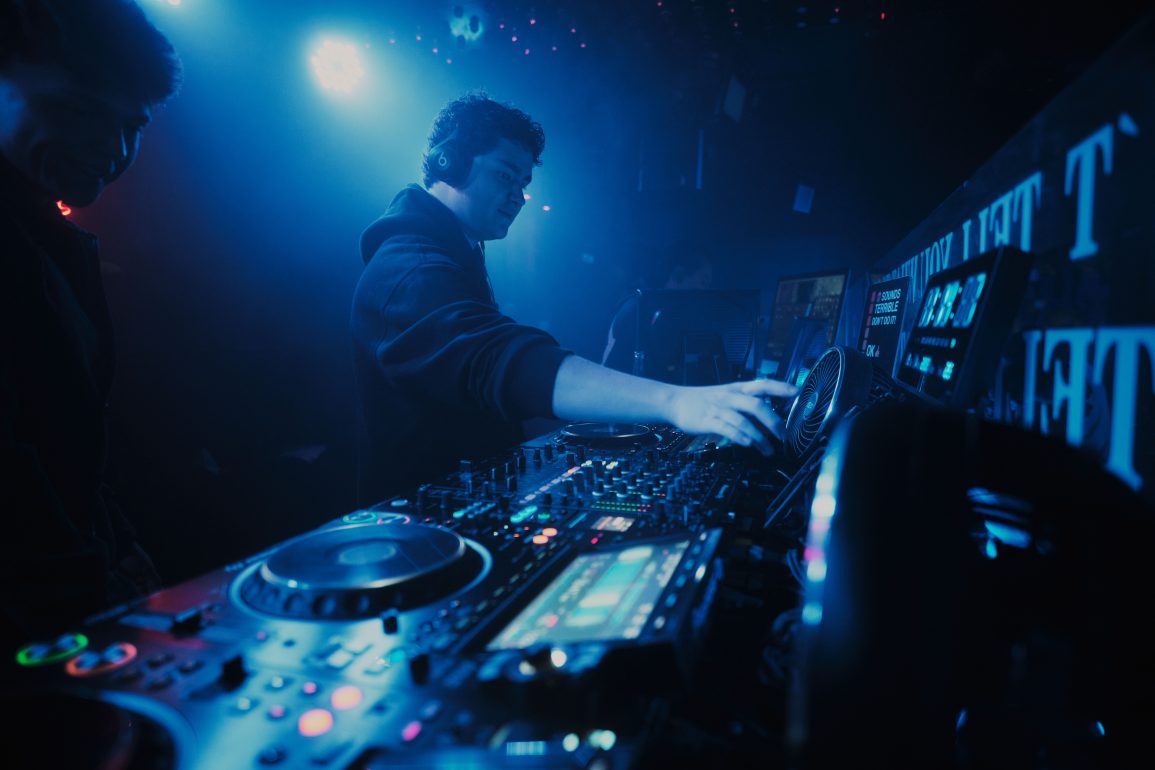
Photo Credit: Alex Morua
Releasing music independently is easier than ever, but building a sustainable career remains difficult. Ditto Music’s Independent Music Report 2026, an annual survey with over 5,000 independent artists, recently revealed that 74% of independent artists earned less than $1,000 from their music last year.
Today, artists must act as their own producers, publicists, and managers, often earning very little despite streaming success.
The Problem With Simply Releasing Music
Digital platforms promised artists freedom, but global distribution has saturated the market. Split revenues across platforms, distributors, and rights holders leave independent musicians struggling financially.
Without an established audience, releases yield little income, yet building that audience requires time, marketing, live shows, and capital that emerging artists lack. As a result, musicians must run complex businesses without supporting infrastructure.
The independent music economy requires creators to diversify income beyond streaming by offering downloads, merchandise, live shows, production, licensing, sample packs, crowdfunding, or exclusive content. While managing these strategies independently, artists must prioritise direct audience relationships to build sustainable ecosystems around their music.
How PLAYY. Music Is Trying To Change The Model
This is the space PLAYY. Music aims to occupy. Launched by UK music firm PLAYY. (formerly The Playground), the platform goes beyond distribution to unify direct sales, streaming, licensing, sample sales, ticketing, and crowdfunding, with plans for a jobs marketplace and booking tools. By consolidating these tools, PLAYY. Music simplifies career management and prioritises direct artist-fan connections, empowering listeners to discover artists, buy merch, join communities, and directly support creators financially.
In the independent music economy, streaming is an entry point rather than the final goal. For niche and underground artists, converting listeners into dedicated fans who buy music, merch, or tickets creates a sustainable community. Ultimately, shifting focus from audience size to audience engagement means a smaller group of core supporters can be far more valuable than thousands of passive streamers.

Putting More Of The Artist’s Career In One Place
PLAYY. Music unifies an artist’s essential tools: sales, streaming, licensing, samples, ticketing, crowdfunding, analytics, and upcoming job/booking features, reducing fragmented systems and opening new revenue streams. Embracing true ownership, it bypasses traditional and digital middlemen to give creators direct fan access.
Technology alone cannot solve independent music economics. Platforms offer infrastructure, but artists still require compelling music, effective communication, and an engaged audience, making community vital. Sustainable careers rely less on viral hits or massive stream counts and more on building a catalogue, performing live, fostering direct fan relationships, securing licensing, and diversifying income streams. Consequently, releases shift from standalone products to entry points for lasting fan connections and broader creative ecosystems.
Building A More Sustainable Independent Music Economy
That 74 per cent of independent artists earn under $1,000 shows the need for the independent music economy to evolve. While the internet simplified distribution, the challenge is making careers sustainable. PLAYY. Music addresses this by combining distribution, monetisation, and community tools into one platform. Its success depends on artist adoption and direct fan support. Ultimately, releasing music independently does not guarantee a living. Future independence requires building direct fan relationships and multi-revenue ecosystems, turning artists into active business owners.