

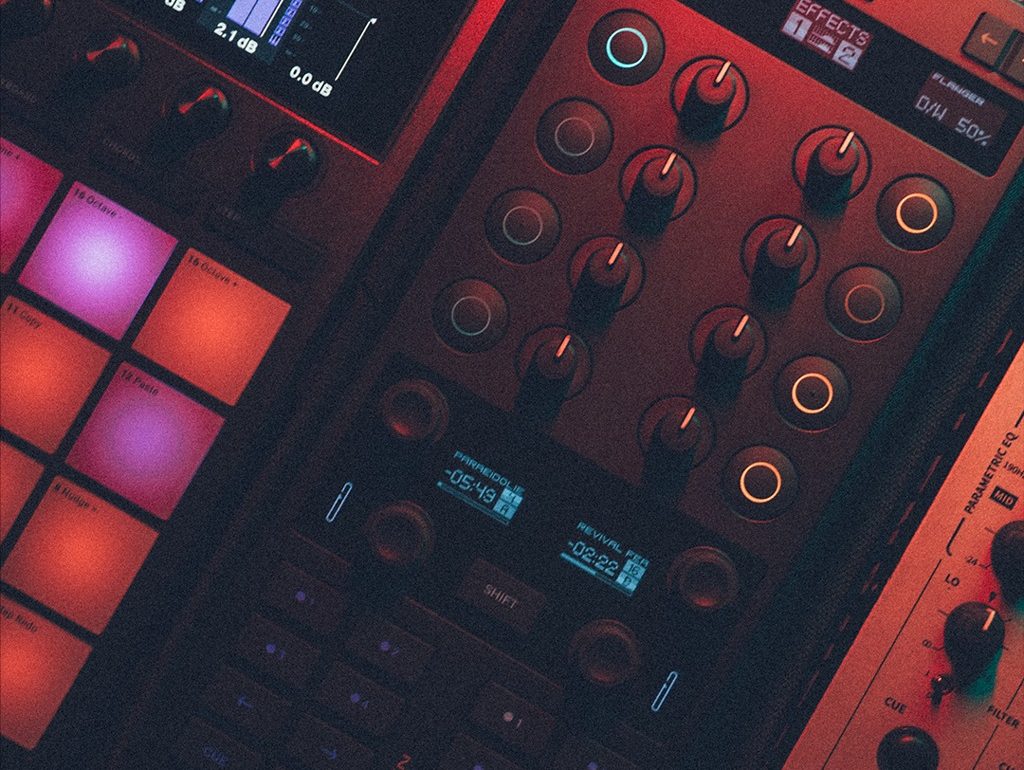
Berlin-based music technology company Native Instruments has entered preliminary insolvency proceedings in Germany, a development that marks a critical moment for one of electronic music’s most influential software and hardware brands. According to court filings, Prof. Dr. Torsten Martini has been appointed as provisional insolvency administrator, tasked with assessing the company’s financial position and overseeing the next steps as it addresses an ongoing debt crisis
Founded in 1999, Native Instruments helped define the modern era of digital music creation. Products such as Maschine, Kontakt, Traktor, and Komplete became foundational tools for producers and DJs across genres. Over the past few years, however, the company has faced mounting pressure amid a rapidly changing music tech market. Strategic pivots included the formation of Soundwide following mergers with iZotope, Plugin Alliance, and Brainworx, before a return to the Native Instruments brand as restructuring efforts intensified. These changes were accompanied by layoffs and internal realignments in 2023.
It’s important to note that preliminary insolvency is not bankruptcy, but it does place the company under court supervision during a defined review period. Native Instruments can continue operations while its financial viability is assessed, though control over major strategic decisions now sits with the appointed administrator rather than executive leadership. Notably, some affiliated brands have sought to distance themselves from the proceedings. Plugin Alliance, for example, has stated that it is not directly affected and continues to operate independently.
For artists and producers embedded in the digital production ecosystem, the announcement raises broader questions about platform stability, long-term software support, and ownership of essential creative tools. While outcomes could include refinancing or restructuring, industry observers note that asset sales or further consolidation are also possible. As one of the most deeply embedded companies in modern electronic music workflows, the future of Native Instruments will have implications far beyond its own balance sheet.


For more information, click here