

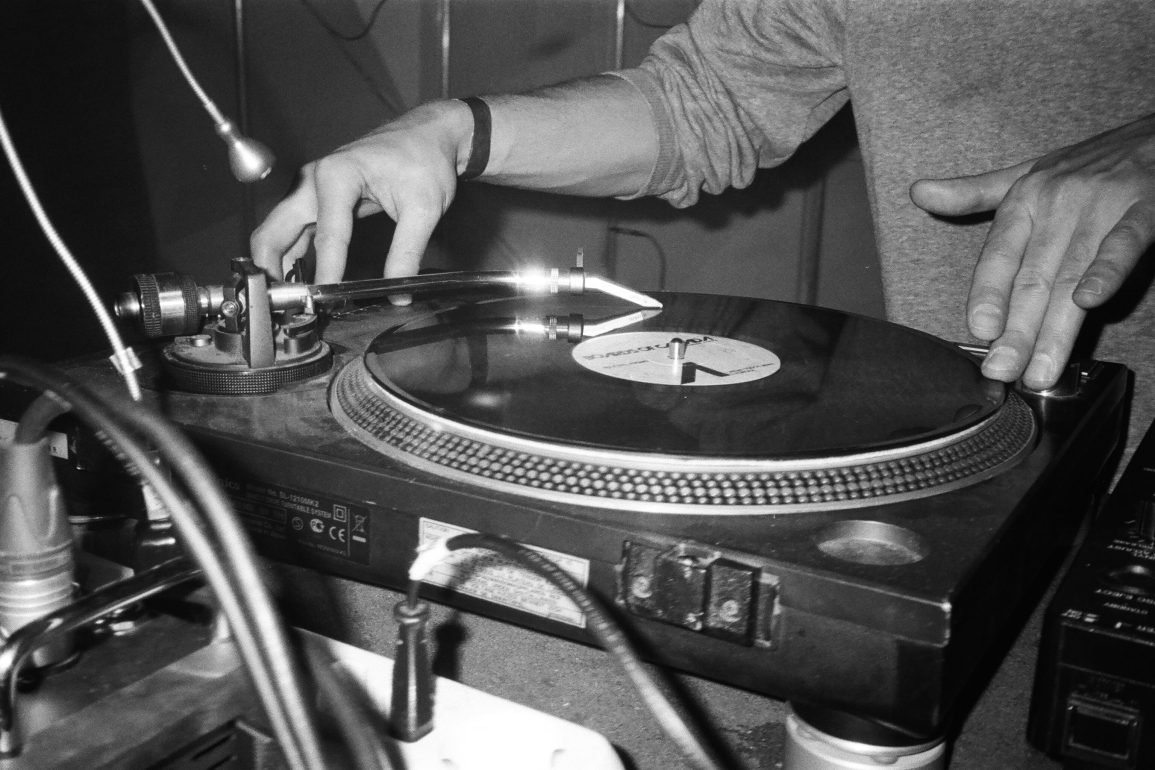
Photo Credit: Aleksandr Neplokhov
For a while, it seemed like vinyl DJing was becoming a relic. The rise of CDJs in the early 2000s, followed by USBs, digital libraries and streaming integrations, made carrying a bag of records seem increasingly impractical. Thousands of tracks could fit in your pocket, cue points could be saved with the press of a button, and DJs no longer had to worry about skipping needles or warped records. Convenience won, or so it seemed.
Fast forward to 2026, and vinyl-only DJ sets are experiencing an undeniable resurgence. From intimate clubs in Berlin and London to major festivals across Europe, more DJs are advertising vinyl-only performances, independent record stores are becoming cultural hubs once again, and a new generation of selectors is discovering the tactile pleasure of digging through crates rather than scrolling through playlists.
But why is a format that many considered obsolete suddenly back at the centre of underground dance music? The answer has less to do with nostalgia than it does with authenticity. Before the USB, There Was Vinyl. Long before Pioneer CDJs became the industry standard, vinyl wasn’t a choice, but it was the only way to DJ.
The earliest hip-hop DJs in the Bronx built an entire culture around manipulating records. House music pioneers in Chicago and techno innovators in Detroit relied on vinyl to spread new sounds across cities and continents. Record shops became community spaces where DJs discovered obscure imports, traded recommendations and built musical identities one purchase at a time. Because records were expensive and physically limited, every selection mattered. DJs developed highly personal collections that reflected years of digging rather than an unlimited digital download folder. In many ways, vinyl shaped the very foundations of DJ culture.
Why Vinyl Is Returning
The resurgence of vinyl isn’t simply about sound quality. Most club audiences couldn’t reliably distinguish between a well-mastered digital file and a vinyl pressing on a large sound system. Instead, vinyl’s appeal lies elsewhere. Unlike digital libraries containing tens of thousands of tracks, vinyl requires careful preparation. Every record must be purchased, transported and organised. There are no instant downloads five minutes before a set. That limitation changes how DJs think.
Rather than relying on endless choice, vinyl encourages deeper familiarity with a smaller collection. DJs know every groove, every hidden B-side and every subtle transition because they’ve spent years living with those records. In an age of unlimited access, limitation has become a creative advantage.
More Than Nostalgia
For younger DJs, vinyl isn’t a return to the past, but something entirely new. Many producers who grew up using laptops are discovering records for the first time. Visiting independent record stores, attending listening sessions and crate digging have become part of the creative process rather than simply another way of acquiring music. Owning music has become meaningful again. Unlike streaming, where tracks can disappear overnight due to licensing changes, a record becomes part of a permanent personal archive.
We compiled a list of five DJs Keeping Vinyl Culture Alive
Helena Hauff
The Hamburg artist has built her reputation on uncompromising vinyl sets filled with electro, EBM, acid and raw techno. Rather than relying on polished digital precision, Hauff embraces the imperfections that come with analogue performance, creating sets that feel instinctive and unpredictable. Her approach demonstrates that technical limitations often create stronger performances.
Hunee


Hunee’s record collection is legendary. Moving effortlessly between disco, house, jazz, soul, African records and obscure international pressings, his vinyl sets reflect years of obsessive digging rather than algorithmic recommendations.
Palms Trax
Palms Trax represents a generation of DJs who have helped make vinyl aspirational again. His warm, eclectic selections showcase the value of deep record knowledge, blending forgotten house records with cosmic disco, Balearic grooves and leftfield electronics. Watching him play often feels like watching someone curate a conversation rather than perform a playlist.
Ben UFO
Although equally comfortable playing digitally, Ben UFO remains one of the strongest advocates for record culture. His selections frequently blur genres, connecting UK bass, techno, ambient and experimental electronics through careful sequencing and musical curiosity. His influence extends beyond performance, encouraging younger DJs to think of collecting records as an ongoing education rather than a status symbol.
Eris Drew
Eris Drew approaches vinyl with almost spiritual dedication. Her sets celebrate house music’s history while remaining deeply personal, using records to create emotional narratives that evolve throughout the night. Every transition reflects decades of collecting, listening and understanding the communities that gave birth to dance music.