

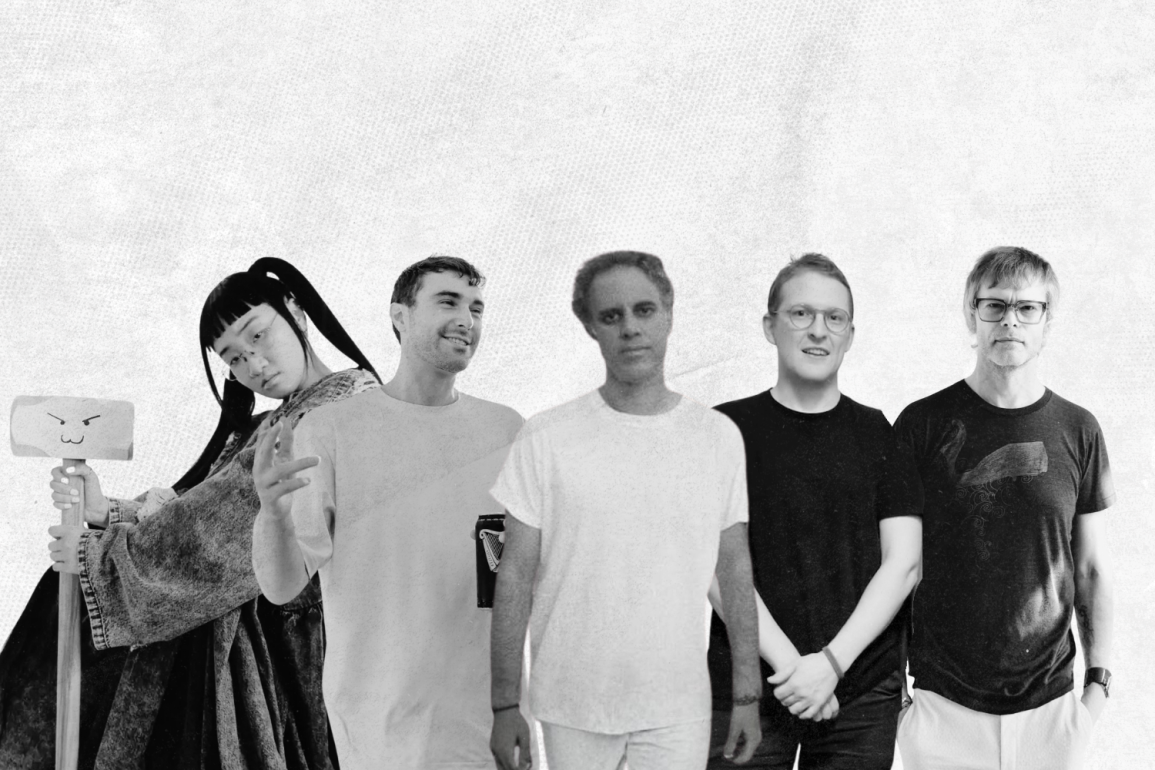
For decades, electronic artists have faced criticism for supposedly just “pressing play.” However, many modern DJs are moving beyond CDJs to deliver true live performances. Using synthesisers, drum machines, samplers, live vocals, and modular systems, they improvise and reconstruct tracks in real time. This shift injects risk and dynamism into electronic music, making it as vibrant as a rock or jazz concert. Here are five artists pioneering this shift.
Yaeji
Few artists move as effortlessly between DJing and live performance as Yaeji. Known for blending house, hip-hop and leftfield electronic music with whispered bilingual vocals, her live shows are far removed from conventional DJ sets. Instead of simply playing tracks from start to finish, Yaeji performs her own vocals live while manipulating loops, triggering samples and reshaping arrangements as the performance unfolds.
The result feels deeply personal. Songs become fluid rather than fixed, with vocals, electronics and visual production working together to create something that exists only in that moment. Her performances demonstrate that electronic music doesn’t need to sacrifice intimacy simply because it’s built on machines.
Fred again..
While his productions are built around voice notes, found sounds and chopped vocal samples, Fred again.. live shows take those ideas even further. Rather than pressing play on finished tracks, Fred moves constantly between drum pads, keyboards, samplers and synthesisers, rebuilding songs piece by piece in front of the audience.
What makes his performances compelling isn’t flawless execution, but spontaneity. A vocal loop might be extended, a piano section played live, or an audience singalong transformed into the emotional centre of a track. Every show feels slightly different, reinforcing the idea that dance music can be as expressive as any live band.
Four Tet
Kieran Hebden, better known as Four Tet, has spent years blurring the boundaries between DJ, producer and live musician. Whether performing marathon DJ sets or live electronic shows, Four Tet frequently incorporates live sequencing, synthesisers, and hardware into his performances, allowing tracks to evolve organically rather than follow rigid arrangements.
His performances embrace unpredictability. Loops are stretched, rhythms emerge unexpectedly, and transitions happen instinctively rather than according to a pre-programmed timeline. That willingness to improvise has become one of his defining strengths.
Floating Points
Before becoming one of electronic music’s most respected producers, Floating Points studied neuroscience and trained as a classical musician, two influences that continue to shape his approach to live performance. Rather than separating electronic production from instrumental performance, he combines synthesisers, keyboards, sequencers and live musicians to create expansive shows that move between techno, jazz, ambient and classical composition.


His performances feel less like DJ sets and more like evolving concerts, with every piece given room to breathe and transform. It’s a reminder that electronic music can be both intellectually ambitious and deeply physical.
Surgeon
For years, the British producer Surgeon has been pushing modular synthesisers beyond the studio and onto the stage, building live sets that rely on improvisation rather than carefully scripted arrangements. Unlike playing pre-recorded tracks, modular systems demand constant interaction. Every cable, knob and patch influences the outcome, meaning no two performances are ever truly the same.
For audiences, that’s part of the appeal. Mistakes become opportunities, accidents become grooves, and the performance unfolds organically instead of mechanically. In an era obsessed with perfection, that unpredictability feels refreshing.