

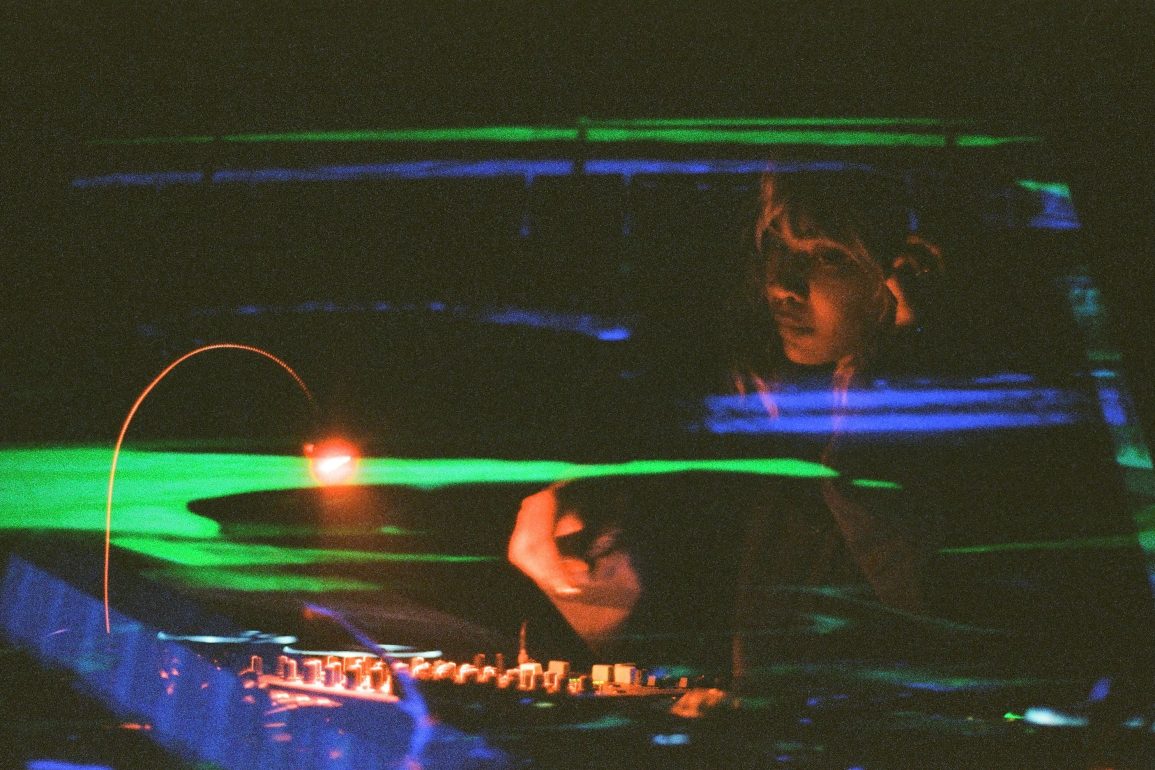
Photo Credit: Samuel Waddington
The internet has made it easier than ever to discover music outside the mainstream. But when algorithms can identify a scene almost as quickly as the people creating it, what does being underground actually mean in 2026? There is something increasingly strange about calling music “underground” in 2026. The word suggests secrecy, distance and discovery, music existing somewhere beyond the reach of the mainstream.
But the internet has made almost nothing genuinely difficult to find. A producer working alone in their bedroom can upload a track before breakfast and have listeners on the other side of the world by the afternoon. The underground is more visible and accessible to the music industry than ever. Historically, physical spaces, independent record shops, pirate radio, warehouses, small clubs, and DIY promoters all shaped local scene identities. Today, the internet bypasses geographical limits, allowing artists and audiences worldwide to collaborate and build networks without local shows.
SoundCloud’s 2026 Music Intelligence Report highlights this shift, noting emerging scenes formed around online interaction and shared references rather than geography. For instance, a new digital wave of indie music blends alternative rock, hip-hop, and internet influences. Consequently, modern underground culture relies less on physical locations and more on shifting global digital networks.
This dynamic creates innovative music, as creators freely blend genres like guitar music, jerk rap, club, hyperpop, and bedroom songwriting. The SoundCloud indie scene reflects this digital fluid crossover; as The FADER reported, artists like bunii and Ebril use punched-in vocals, drum machines, and digital effects as central artistic elements of their alternative rock sound.
However, the platforms enabling this growth also enable industry surveillance. Online data transforms A&R into predictive analytics, using streams and engagement metrics to monitor new scenes. While discovery provides artists opportunities like record deals and distribution, “underground” signifiers, rough artwork, anonymous personas, lo-fi video, and distorted vocals are increasingly commercialised into manufactured aesthetics. Consequently, the traditional transition from subculture to commercialisation has accelerated dramatically.
In April, The Guardian reported on manufactured social-media campaigns designed to simulate organic virality for indie artists. This strategy highlights the high commercial value of perceived grassroots discovery. Consequently, the underground faces a dilemma: its core asset, the feeling of unmanufactured authenticity, can now be engineered. Looking underground no longer guarantees an artist actually is.
Geese exemplifies this complexity. Linked to marketing firm Chaotic Good alongside artists like Sombr, Oklou, Mk.gee, and Dijon, the Brooklyn band built an alternative identity around perceived organic discovery. This makes “phoney virality” debates revealing: the issue is whether grassroots momentum can be manufactured. When anonymous accounts, paid creators, and algorithms mimic authentic fan enthusiasm, underground authenticity becomes hard to measure.


Metrics are equally inconclusive. High follower counts do not ensure cultural relevance, just as low numbers do not diminish local impact. The shift toward fragmented, niche communities allows artists to build sustainable, independent careers without crossing over into the mainstream. Innovations like SoundCloud’s profile music sales merge discovery and commerce, though they challenge whether commercialised platforms can foster authentic underground movements. Ultimately, underground status is defined by who retains creative control, not the distribution channels used.
Ultimately, underground status relies on retaining creative control, not distribution. Independent artists can leverage major platforms without sacrificing autonomy, a balance vital as rapid AI expansion prompts pushback against machine-generated tracks. Physical touchpoints, like vinyl, venues, community radio, Bandcamp, and newer platforms such as PLAYY. Music provides essential friction in a digital era.
Ultimately, underground scenes require robust local infrastructure to experiment and thrive before attaining commercial value. Without these foundations, the internet offers visibility without culture, a distinction worth preserving. Today, the underground is defined not by secrecy or distance from the mainstream, but by creative control and unpredictable experimentation.