

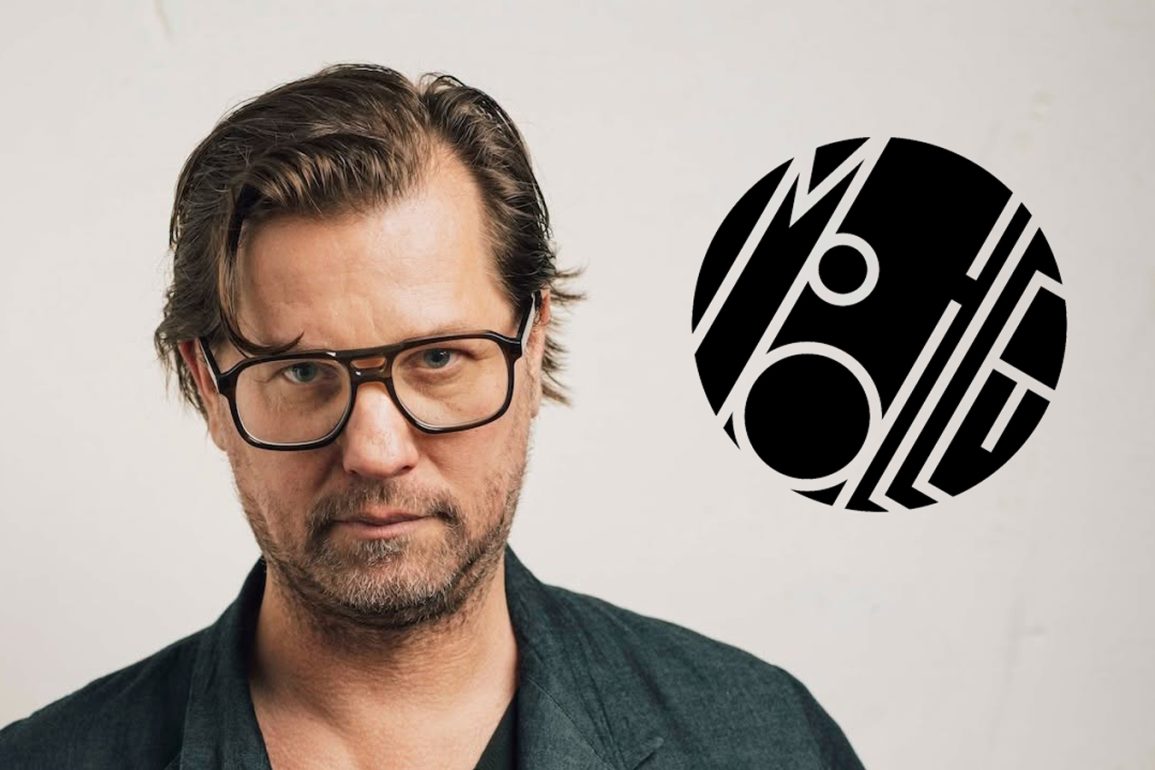
Founded in Berlin in 2005, Mobilee Records has spent two decades building one of electronic music’s most enduring catalogues. What began as a small independent label has evolved into a vertically integrated music company spanning label operations, artist management, publishing and music rights management, while maintaining a clear connection to the underground culture that shaped its identity.
At its core, Mobilee has always been rooted in house and techno, although the label has never been interested in being confined to a single genre or sound. Across its 20-year history, its roster has brought together established artists and emerging talent, united less by genre than by an attitude towards creativity, craft and artistic individuality.
Following its 20th anniversary in 2025, Mobilee is entering its third decade with its sights firmly set on the future. Catalogue protection and rights management, Immersive Audio and Dolby Atmos, new talent and the changing role of AI within the music industry are all becoming increasingly important to the label’s direction.
We caught up with Mobilee Records to explore the story behind the label, its identity and sound, what it looks for in artists, the challenges of remaining independent for two decades, and where one of Berlin’s most respected electronic music institutions is heading next.
Please introduce your label and share the story behind how it started.
Mobilee Records was founded in Berlin in 2005 by two people with good taste and a serious record collection – nobody needed another label, they started one anyway.
What began as a small, independent operation has grown into a vertically integrated music company spanning label, artist management, publishing, and music rights management.
The label celebrated its 20th anniversary in 2025 and enters its third decade with a clear sense of purpose.
What inspired the name and identity of the label?
The name “Mobilee” carries the idea of something in constant motion – always moving, absorbing the energy around it, floating on the wind rather than staying fixed in one place.
That restlessness became the label’s identity from the start: never settling into one sound or one moment, but staying responsive, open and in flux.
Twenty years on, that same instinct still drives how Mobilee evolves. The Berlin minimal techno era in the early 2000s had a big initial impact on the label culture.
How would you describe the label’s sound? Which genres and subgenres does the label primarily focus on or represent?
House and techno at its core, but never confined there.
The Mobilee sound has always been easier to feel than to describe – something about the way a track holds tension before it releases, the way it earns its drop. It’s also mainly driven by people – the artists behind the sounds.
Melodic House & Techno pioneer Rodriguez Jr. had a big influence on the label’s sound signature in the past decade of the label.
What do you look for when signing or working with artists?
Not a genre, but an attitude: seriousness without self-importance, craft without pretension.
The roster mixes established artists who’ve developed their sound alongside the label with newer names still figuring out exactly what they’re capable of – often the most interesting place to be.
Can you mention some of the artists currently on your roster?
Rodriguez Jr., Captain Mustache, M.E.M.O., Burak SIS, Re.You form the core of the current roster, alongside recent additions such as Maltitz & Max Joni, N1NJA, Oppaacha, Martin Herrs or Quess feat. Ursula Rucker.
How has the music industry, particularly with the rise of AI, changed since the label first launched?
Rights management and catalogue protection have moved to the centre of the operation – properly licensing two decades of music and making sure it reaches the people it was made for.
New listening formats like Dolby Atmos are opening the catalogue up in genuinely exciting ways and as AI reshapes the business, Mobilee wants to be a participant in that conversation, not a bystander – including through AFEM’s “Get Played Get Paid” initiative, which connects track ID technology to collecting societies like GEMA, SACEM and PRS to help fix royalty distribution for artists and rights holders.
What challenges have you faced as an independent label, and how have you overcome them?


Staying independent for twenty years means constantly adapting to how people find and pay for music, without losing the label’s identity in the process.
At one point that meant deliberately stepping back – taking time out to reconnect with the artists closest to the label and rediscover the sound signature that started it all, rather than chasing trends.
That same instinct now shapes how Mobilee approaches new talents and new formats: return to the essence in order to move forward.
Are there any upcoming releases, collaborations, or projects that fans should look out for?
A new N1NJA release featuring a Re.You remix is on the way and the debut release of Sofian, alongside Mobilee’s broader 2026 push into Immersive Audio, with Dolby Atmos as a core creative and distribution focus.
Another focus will be on reactivating some hidden gems of our back catalogue.
What’s the long-term vision and goal for the label moving forward?
Protecting and properly licensing two decades of catalogue, opening it up through Immersive Audio, and continuing to champion a carefully curated roster – while staying an active voice in industry rights advocacy.
The underground changes, the dancefloor moves; Mobilee aims to stay close to both.
Follow Mobilee Records:
BandCamp – Instagram – X – Facebook – YouTube – SoundCloud