

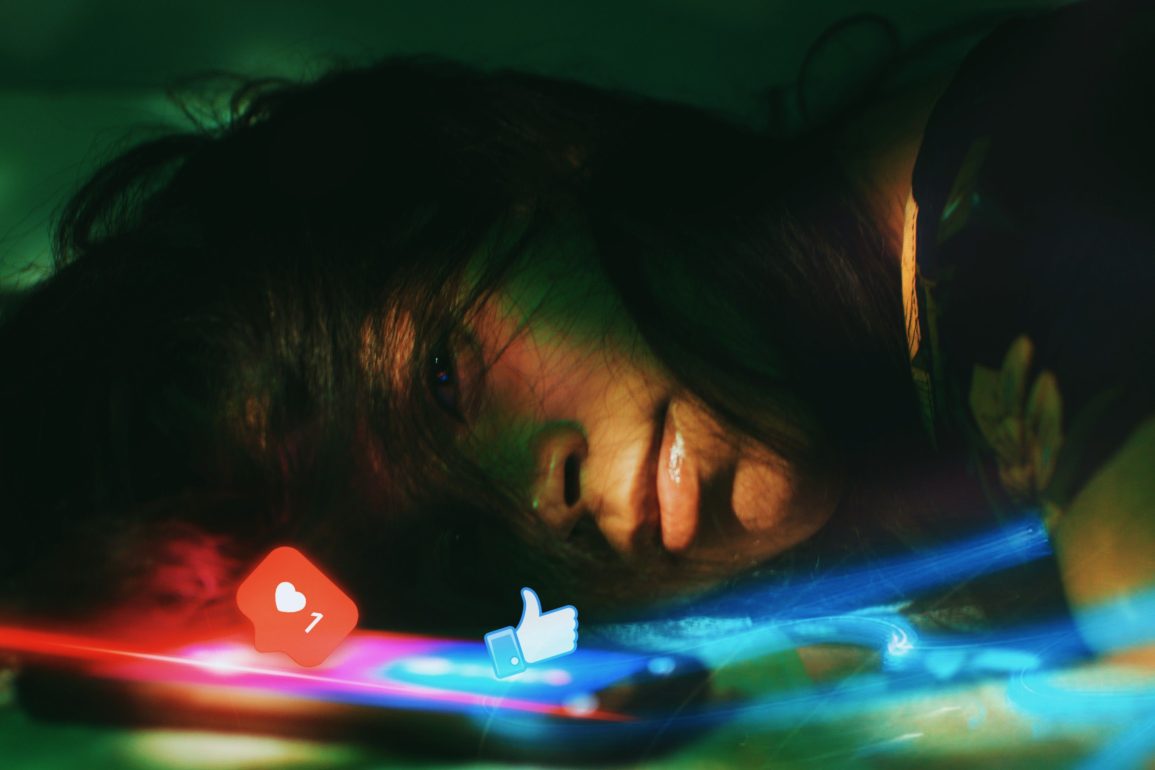
Independent musicians constantly come up against the same practical issue. A completed track that gets no hearing at all won’t pay rent, secure a slot as a support act, or turn a local audience into a touring base. The social media platforms have taken over the role previously carried out by radio programmers, club bookers, record shop staff, and A&R scouts. In the case of someone releasing music without the backing of a label, the question is very real: are the hours spent filming clips, responding to comments, and feeding the algorithm actually contributing to their career, or are they instead taking time away from writing, rehearsals, and the midweek gigs which still manage to turn casual listeners into people who buy a ticket.
Back in the day, before smartphones were available, discovering new music was a slow process. Bands would perform in small Tuesday night rooms, take up support positions for acts that no one attended, leave their demo recordings with promoters, and hope that a DJ, a music writer, or a scout came across something worth playing again. The network consisting of college radio stations, independent venues, and small shops required an artist to go and visit each place in person. Although that system is still in existence, a smartphone now acts as an inexpensive studio, a camera, and a broadcasting station. The number of tracks available through streaming services has exceeded 253 million, and in 2025 88% of these tracks received fewer than 1,000 streams. Although access is widespread, attention is rare and unrecognised work still leaves the writer in financial difficulty.
For many independent artists, uploading short videos now feels akin to handing a CD to a record shop. A Ditto Music survey of over 2,000 industry participants found that 56% identified TikTok as their primary growth tool, compared to 16% for Spotify, 15% for Instagram, and 13% for YouTube. A 2023 Wasserman study reported that 45% of 18- to 24-year-olds use TikTok to discover new music, offering access without the mediation of a radio promoter. Yet MIDiA Research highlights the limits of this reach: nearly half of consumers did not stream any music they encountered on social media in the previous month, and fewer than a third became fans. On TikTok, engagement often stops at a follow after a single clip. As a result, viral success alone rarely translates into a sustainable music career.


The labour involved in maintaining a social media presence is what makes the process costly. In 2025, jazz and electronica artist Yarni dedicated four hours daily to producing promotional videos, noting that this left little time to play an instrument. Kingsley of Benefits described the expectation as a relentless popularity contest that distracts from the original motivation to make music. Charlie Wayne of Black Country, New Road observed that the pressure to remain visible has intensified since the band’s formation in 2018, even as they prefer to let the records speak for themselves. A 2025 Frontiers in Psychology paper on working musicians described the feed as a content factory, valuable for networking and bookings but draining due to constant comparison, opaque algorithms, and the time it takes from writing and rehearsal. Earlier fieldwork by Haynes and Marshall with independent musicians in south-west England had already shown that social media is more effective at energising an existing audience than at building a new one, and that its career benefits are often overstated.
Social media remains a valuable tool for promoting existing music, but it becomes a distraction when content creation overtakes the development of the catalogue. Labels increasingly assess demos only after considering follower counts and viral metrics. An unposted track receives no attention. Where the circuit once demanded a physical presence, it now requires visibility on the feed; both approaches are about meeting listeners where they are. Ultimately, it is still the song that draws listeners back and the live set that converts a scroll into a ticket. Use the broadcast tool at hand to support your music, but protect your writing hours, or risk letting the platform dictate the career it was meant to enable.